

Overview
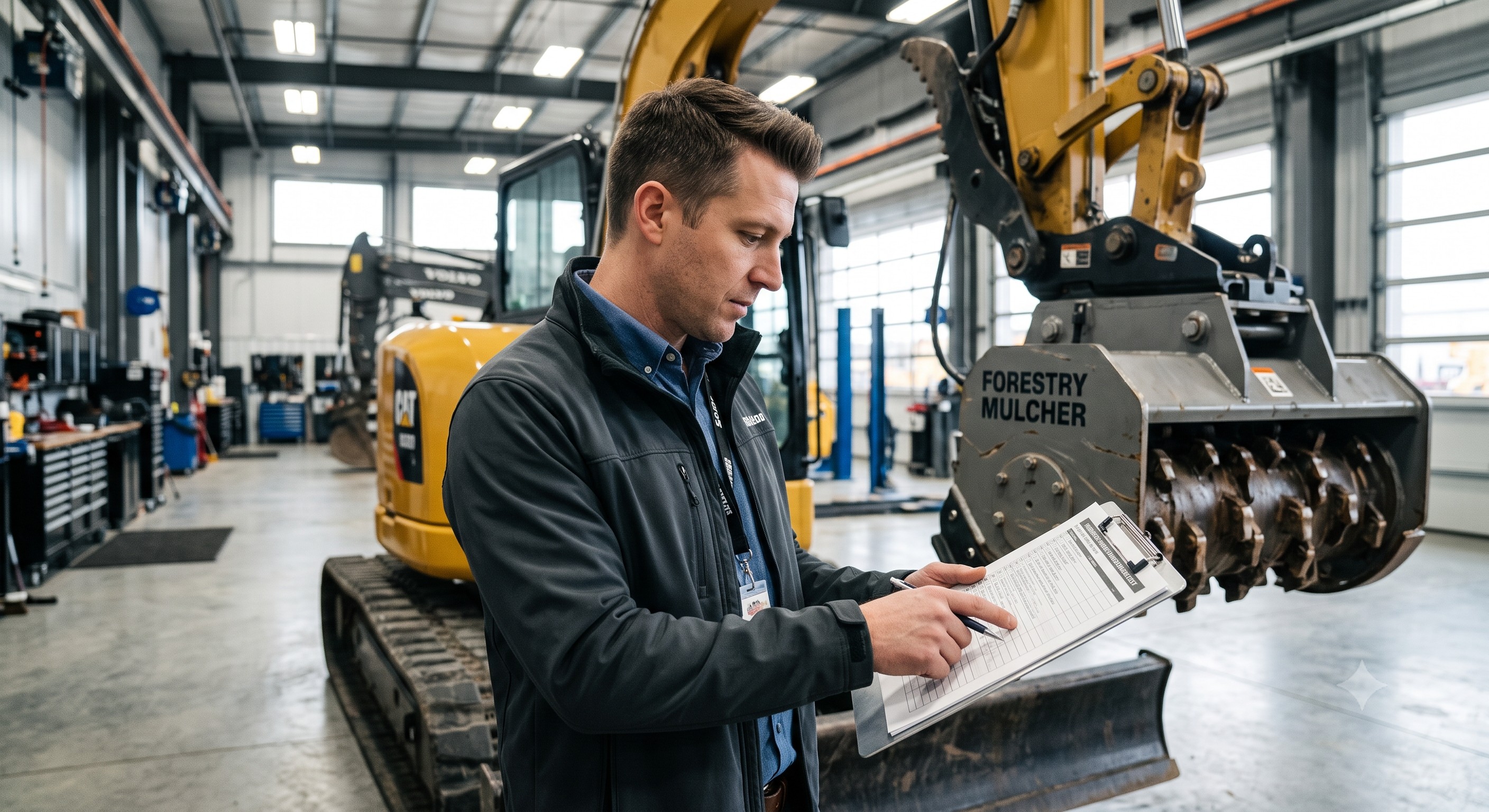
For B2B procurement and fleet managers considering equipment for vegetation management, the question of whether a compact excavator can handle heavy forestry work is critical. While standard compact excavators are not designed for intensive logging, the right model equipped with specialized attachments and safety features can effectively perform specific forestry tasks like mulching, underbrush clearing, and tree planting. This FAQ provides definitive answers on capabilities, maintenance, and specifications to guide your purchasing and operational decisions.
Frequently Asked Questions
Q1: Can a standard compact excavator be used for heavy forestry work?
A standard compact excavator is not recommended for heavy forestry work like felling large trees due to stability and structural risks. However, specialized models and those equipped with the correct forestry attachments, such as mulchers, can effectively handle site preparation, clearing underbrush, and vegetation management. Always consult your dealer to ensure the machine is suitably equipped for specific forestry applications, as using a standard unit can void warranties and create safety hazards .
Q2: What is the recommended maintenance interval for a compact excavator used in dusty forestry conditions?
The standard maintenance interval for compact excavators in normal conditions is every 250 hours for engine oil and filter changes, but this should be reduced to daily checks in dusty forestry environments. Daily inspections must include checking and cleaning the air filter, radiator, and oil cooler to prevent overheating and engine damage . Hydraulic filters should also be replaced more frequently, typically every 250 hours, while hydraulic fluid requires changing at 500-hour intervals or sooner if contamination is visible .
Q3: What are the hydraulic flow requirements for forestry mulching attachments on a compact excavator?
Forestry mulching attachments require specific hydraulic flow rates, typically a minimum of 12 gallons per minute (GPM), to operate effectively. For example, dedicated mulching heads like the Fecon FMX28 are purpose-built for 3.5- to 8-ton excavators and are optimized for standard-flow hydraulic systems . For high-flow attachments like planers or heavy-duty mowers, a flow rate of up to 37 GPM may be required, which is standard on some specialized wheeled excavators .
Q4: Which compact excavator attachments are compatible for forestry and land clearing?
Several attachments make compact excavators highly versatile for forestry, including rotary mulchers, brush cutters, and grapple thumbs. Mulching heads are designed for clearing undergrowth and trees up to 5 inches in diameter, offering surgical precision for right-of-way maintenance and property line clearing . A mechanical or hydraulic quick coupler is essential for fast attachment changes, and a backfill blade adds stability for grading and site cleanup .
Q5: What is the maximum lifting capacity of a compact excavator for moving logs?
The maximum lifting capacity for a compact excavator used in forestry varies by model, but larger units in the 6-ton class can lift up to four tons, making them suitable for handling logs and materials. For example, the Mecalac 12MTX is designed for heavy material handling and can lift 4,000 kg, combining the capabilities of an excavator and telehandler . Wheeled excavator models can also lift up to 3 metric tons at a 10-foot radius, offering stability for load-and-carry tasks .
Q6: What are the engine emission standards for compact excavators used in forestry?
Modern compact excavators must comply with stringent emission standards, with most models featuring EPA Final Tier 4/EU Stage V compliant diesel engines. This ensures low emissions and allows operation in environmentally sensitive areas, a key consideration for utility and government contracts . Many compact excavators achieve compliance without aftertreatment devices, reducing maintenance costs while meeting regulatory requirements .
Q7: What are the common parts replacement intervals for compact excavator undercarriages in forestry?
In demanding forestry applications, undercarriage components like tracks and drive sprockets require more frequent inspection and replacement due to debris and rough terrain. Track condition and tension must be inspected daily, with replacement recommended immediately if severe damage is noted, while drive sprocket rollers should be inspected every 50 hours . Using rubber tracks instead of steel can minimize ground damage but may wear faster, though bolt-on rubber pads for steel tracks offer a durable compromise .
Q8: What safety considerations are critical for using compact excavators near logging operations?
Safety is paramount; compact excavators must not be used for log moving without proper log protection and structural modifications, as this poses a severe rollover risk. Operators should never use the machine in forestry applications unless it is specifically equipped with falling-object protective structures (FOPS) and appropriate guarding . Always assess ground stability and avoid operating on slopes that exceed the machine's rating, especially when handling heavy attachments .