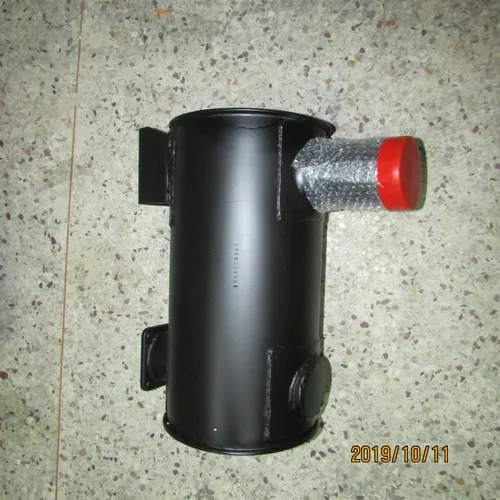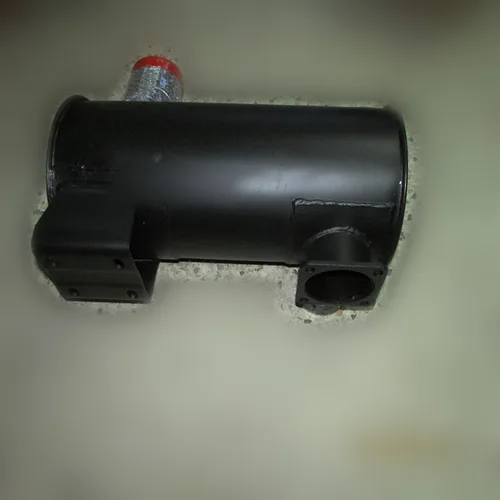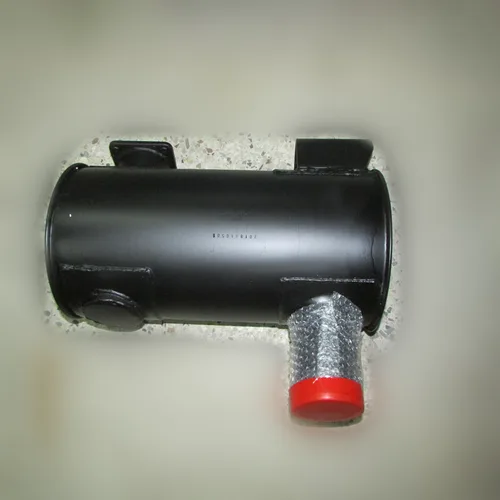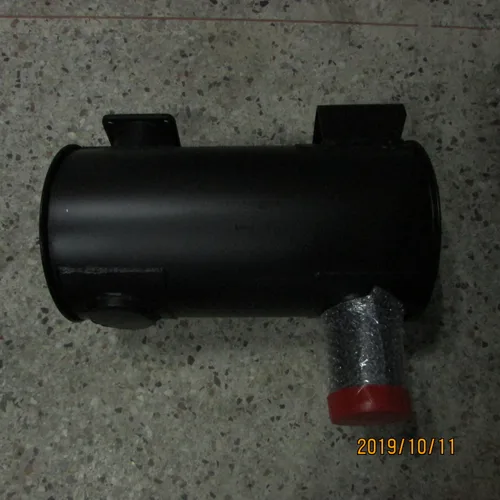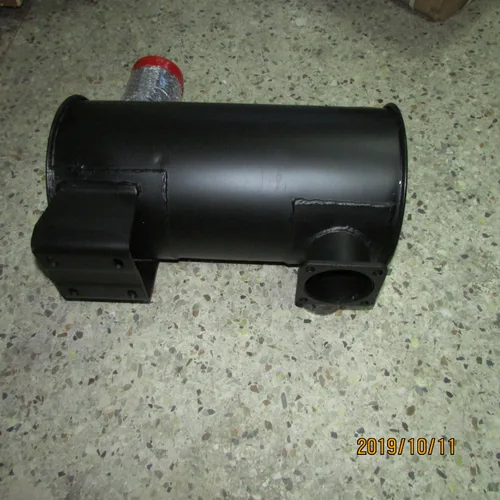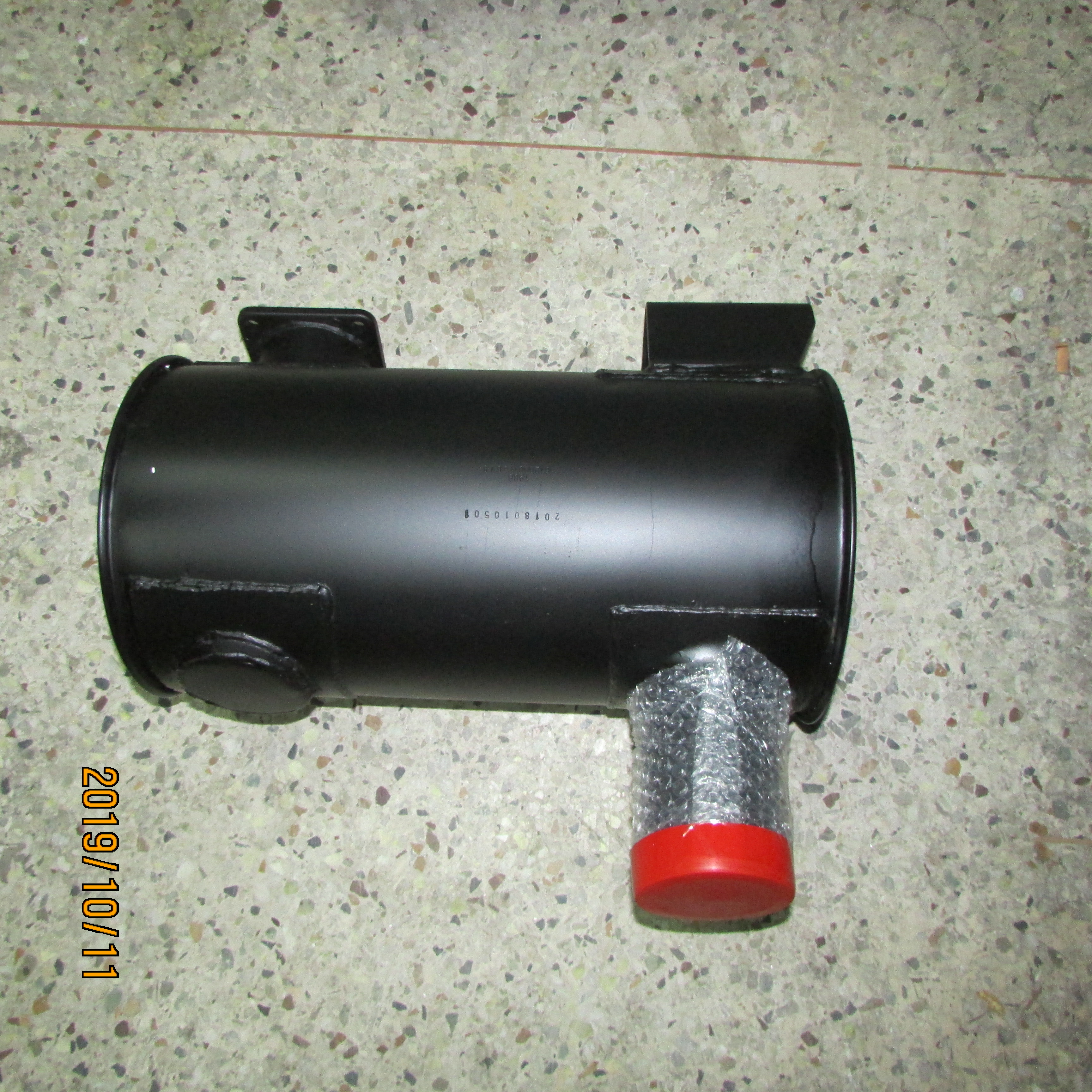
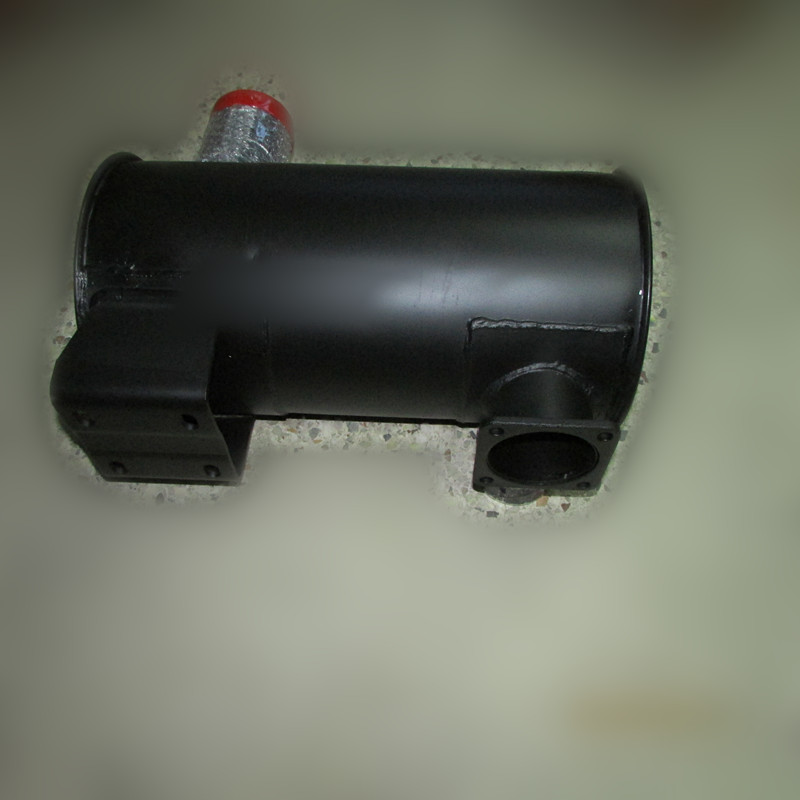
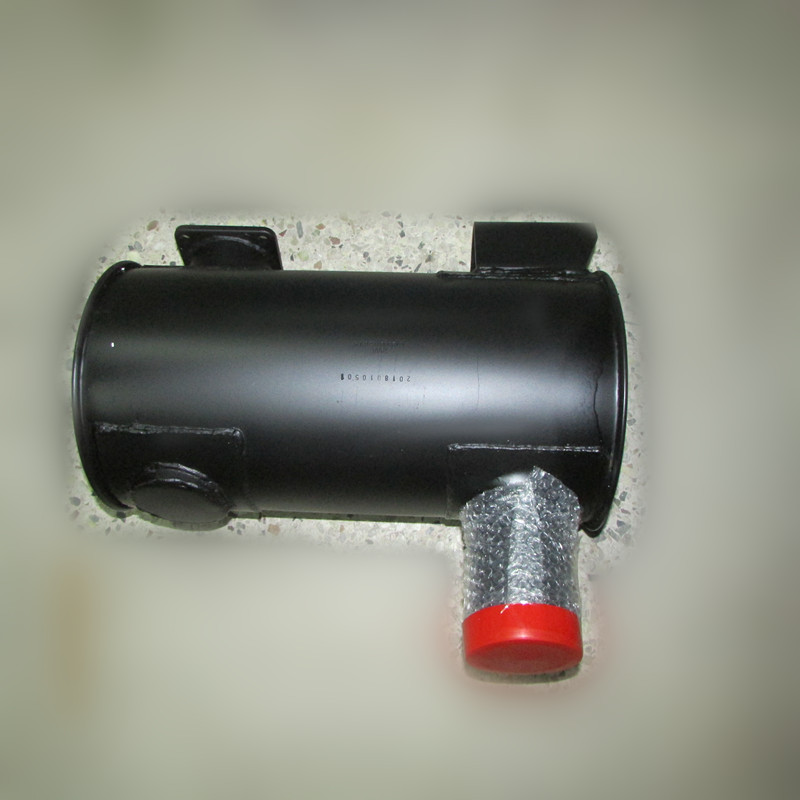
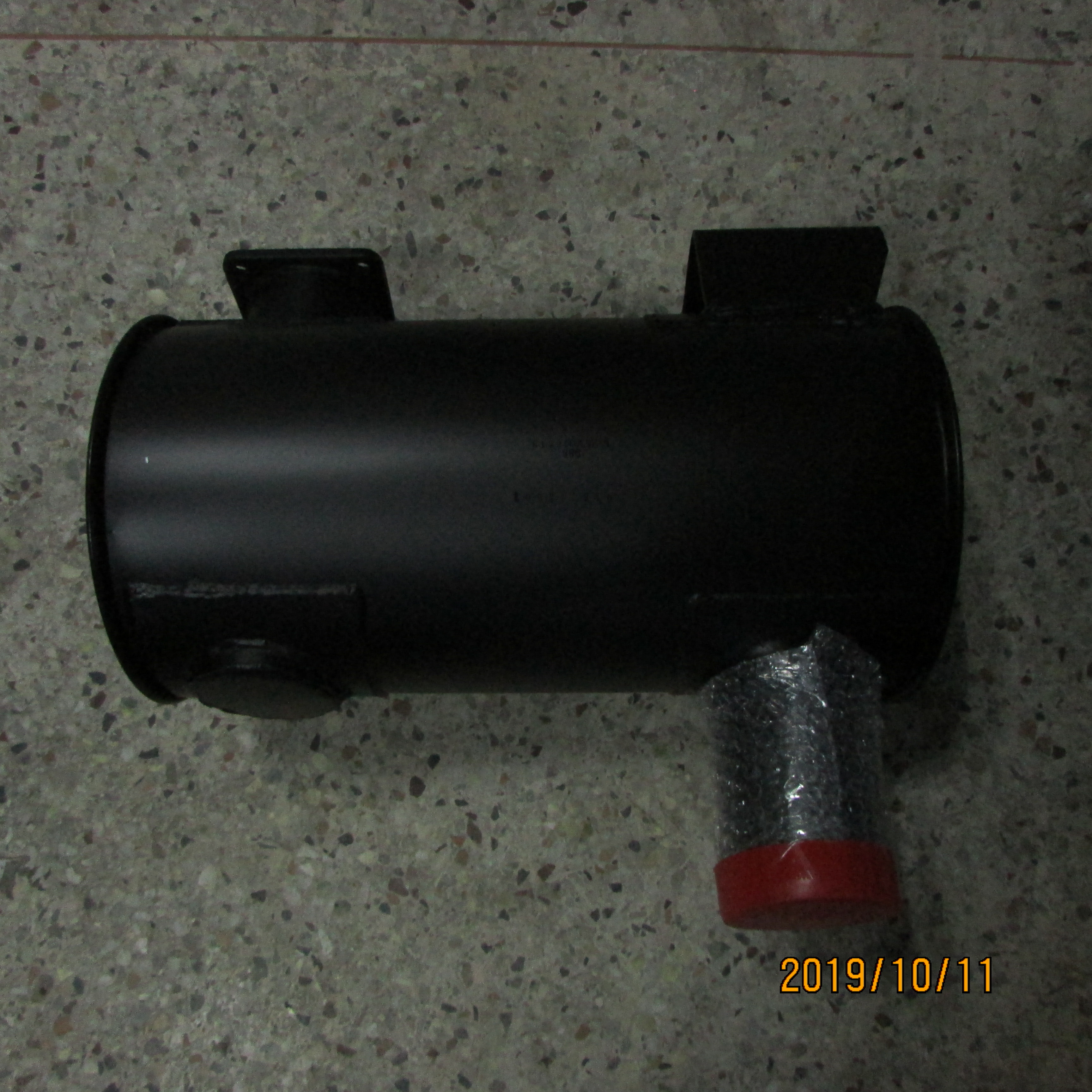
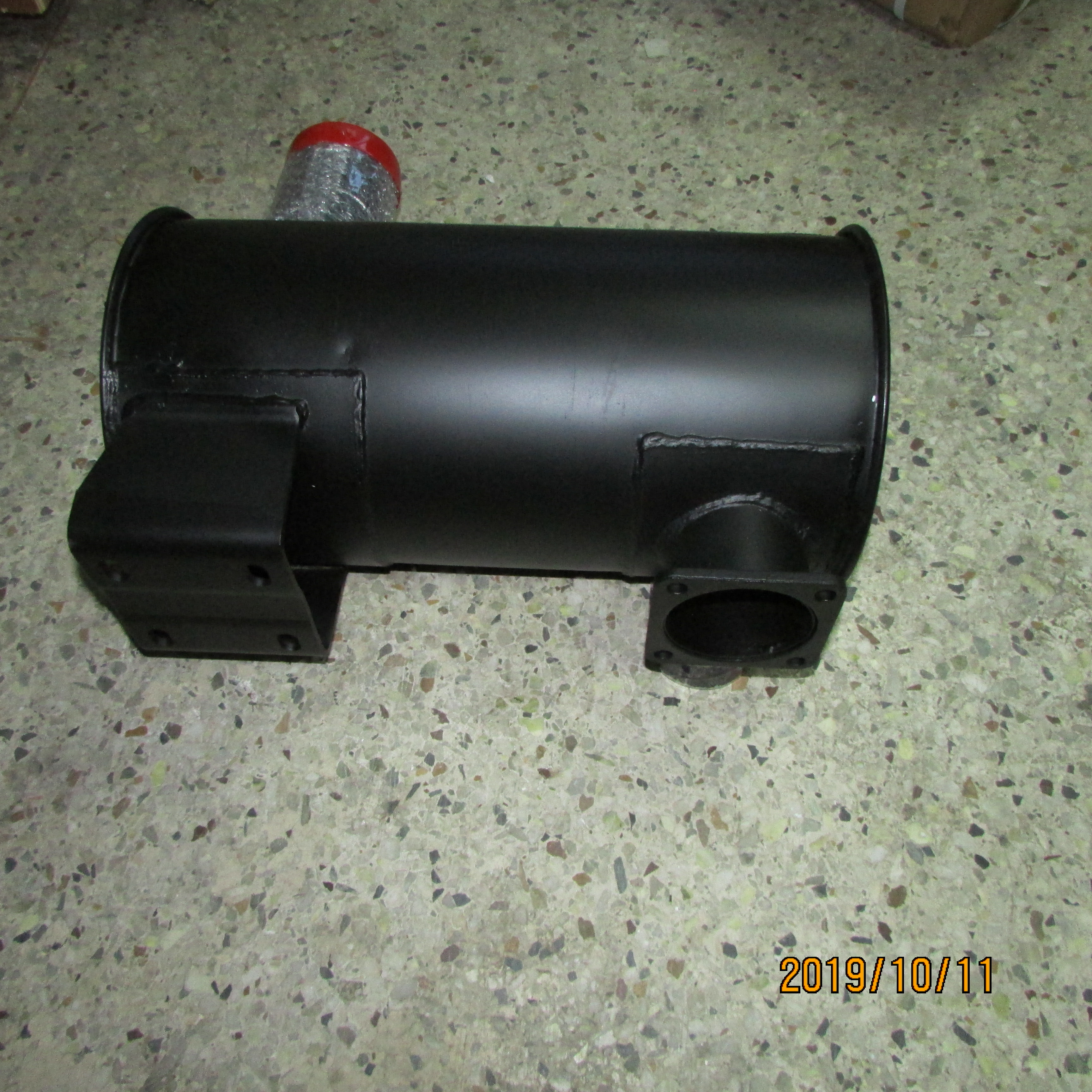
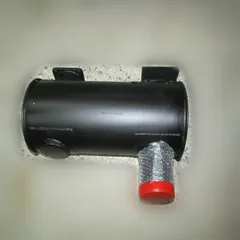
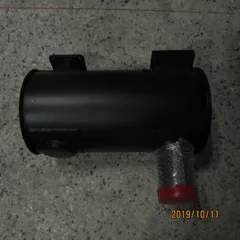
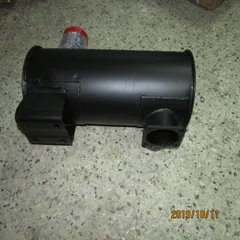


An exhaust silencer (also called muffler) is a noise-reduction component in the diesel engine exhaust system that allows exhaust gas to pass through while blocking or attenuating sound wave propagation—an important means of controlling aerodynamic noise . Depending on the silencing mechanism, silencers commonly used in construction machinery fall into three categories: resistive silencers (primarily using sound-absorbing materials), reactive silencers (relying on abrupt cross-section changes and resonant chambers), and impedance-composite silencers combining both—the latter being the mainstream choice for construction machinery today .
The performance of a silencer directly affects the machine's environmental emission compliance and operator comfort. Poor-quality silencers are prone to frequent repairs, degraded silencing effect, and short service life—typically caused by complex structure, heavy weight, high-temperature oxidation of sound-absorbing fillers, high-speed airflow impact on fillers, and water-vapor penetration of fillers.
An exhaust silencer (also called muffler) is a noise-reduction component in the diesel engine exhaust system that allows exhaust gas to pass through while blocking or attenuating sound wave propagation—an important means of controlling aerodynamic noise . Depending on the silencing mechanism, silencers commonly used in construction machinery fall into three categories: resistive silencers (primarily using sound-absorbing materials), reactive silencers (relying on abrupt cross-section changes and resonant chambers), and impedance-composite silencers combining both—the latter being the mainstream choice for construction machinery today .
The performance of a silencer directly affects the machine's environmental emission compliance and operator comfort. Poor-quality silencers are prone to frequent repairs, degraded silencing effect, and short service life—typically caused by complex structure, heavy weight, high-temperature oxidation of sound-absorbing fillers, high-speed airflow impact on fillers, and water-vapor penetration of fillers.