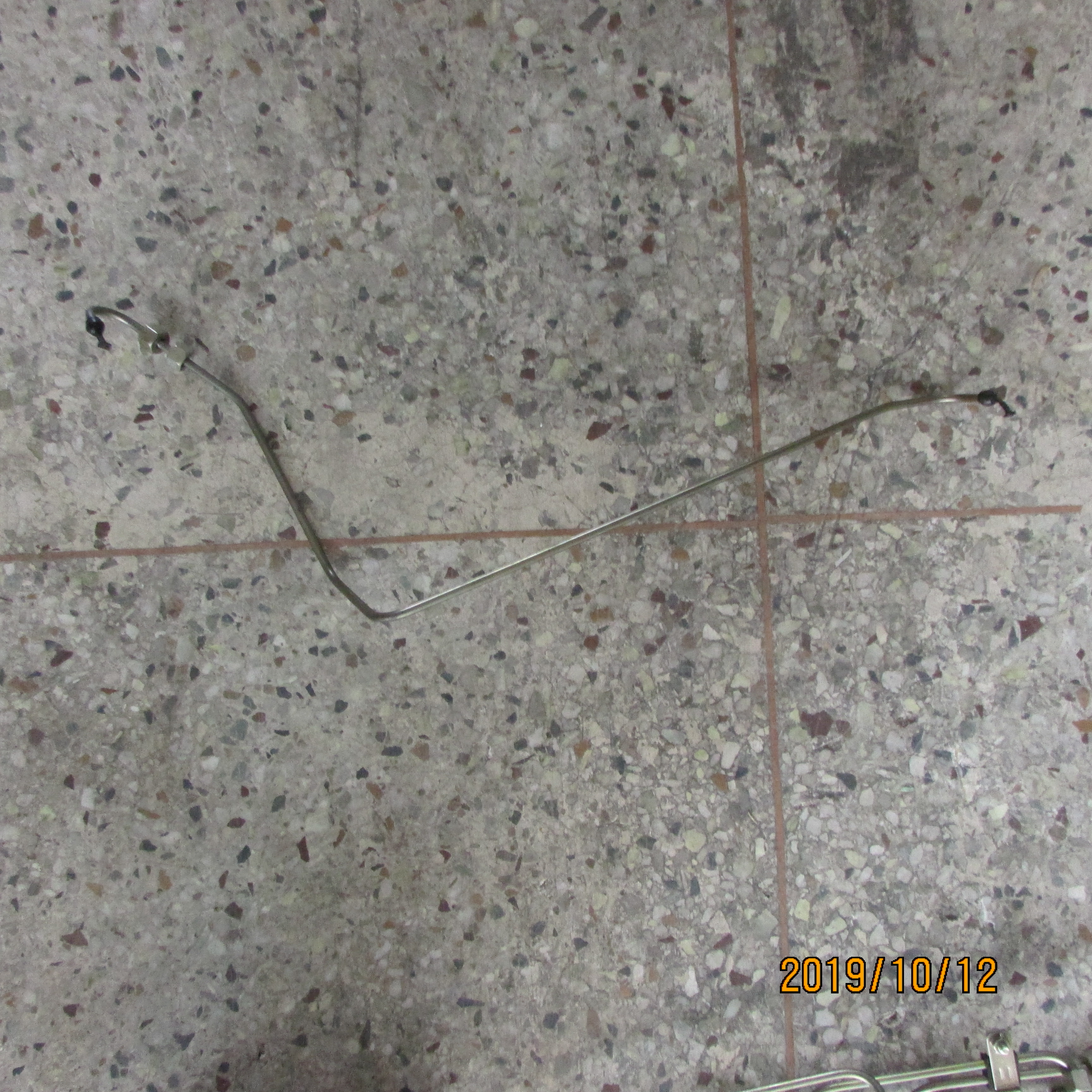
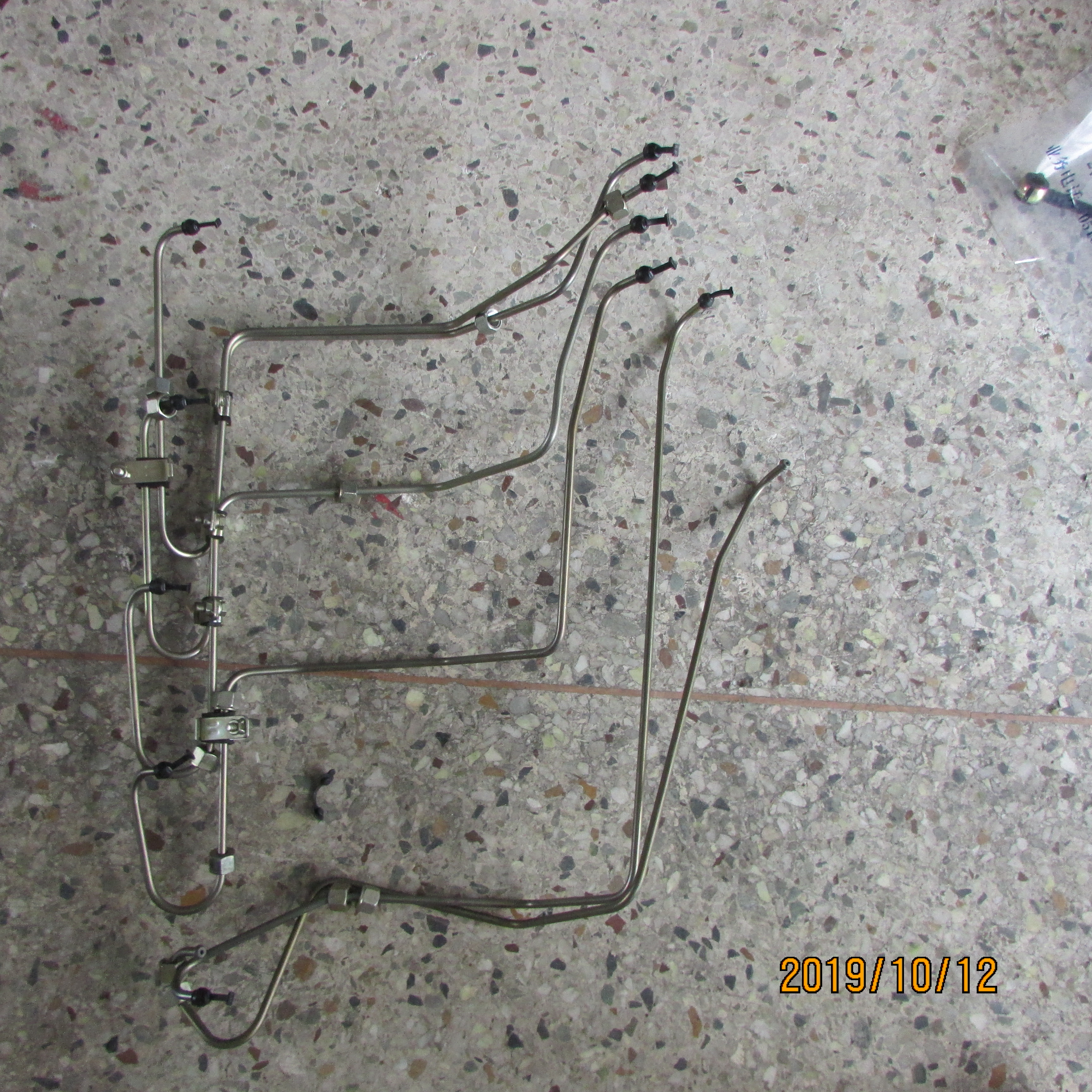
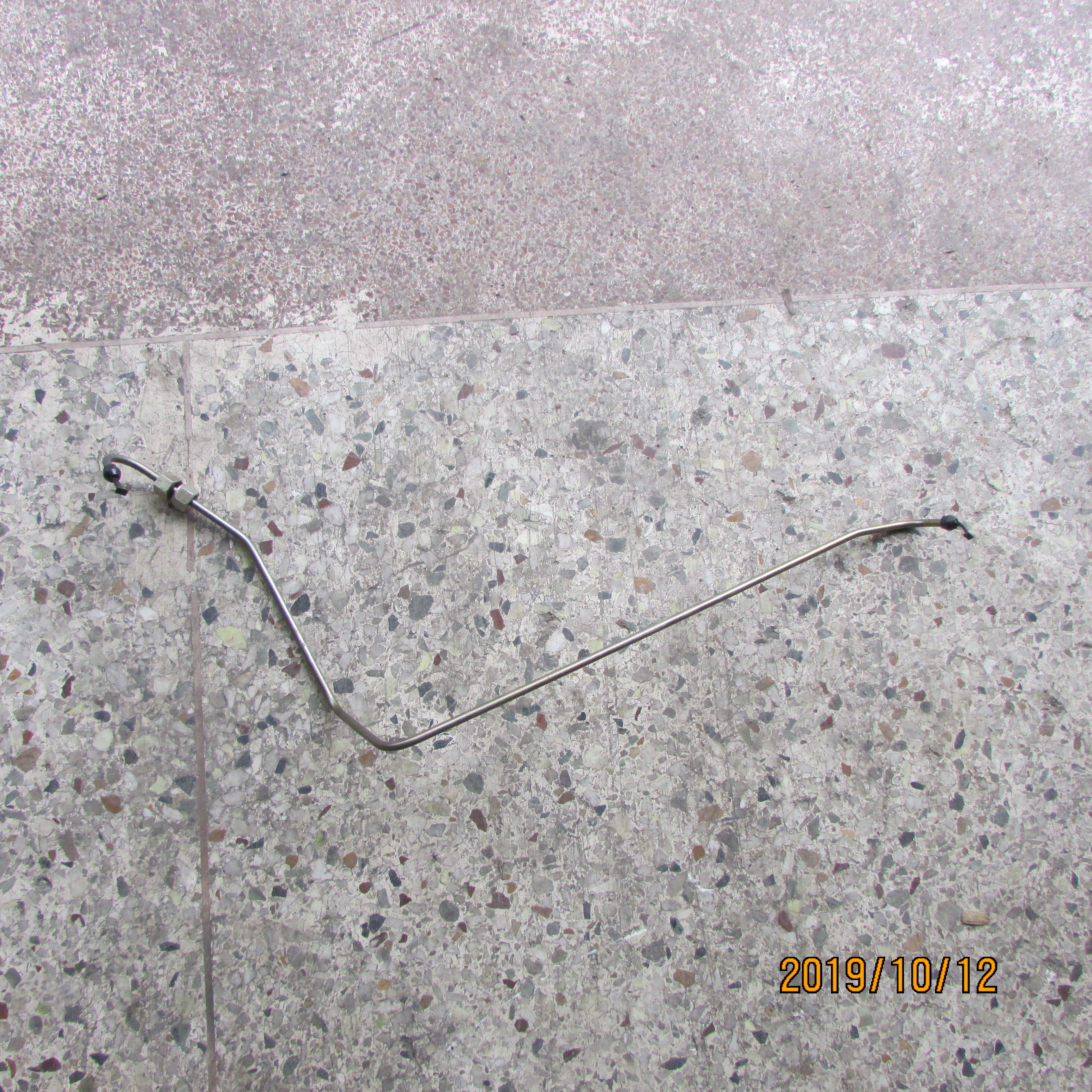
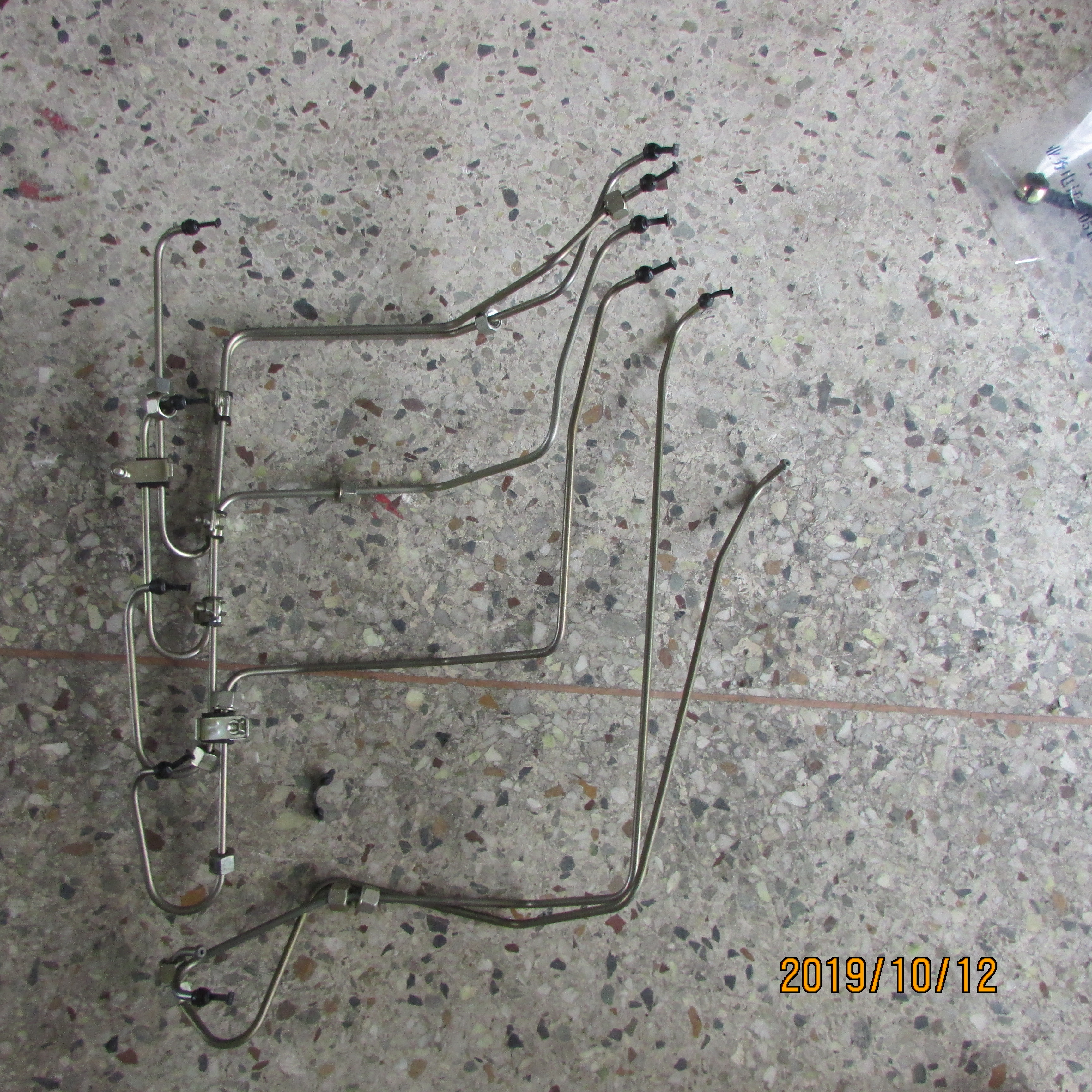
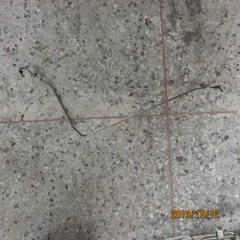
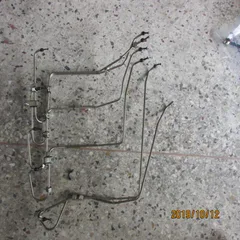
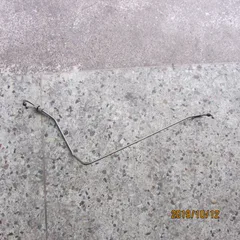
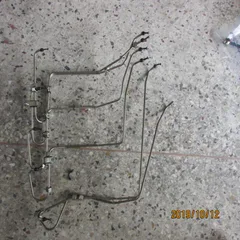
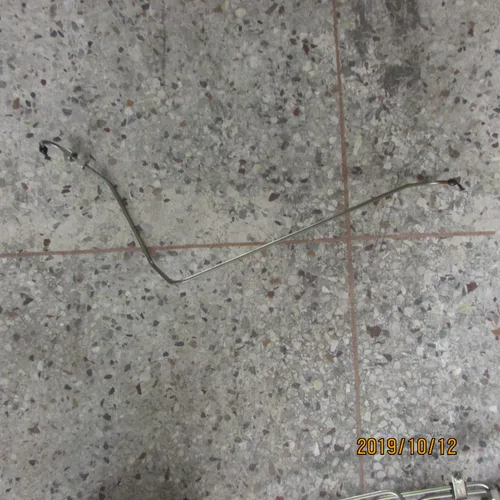
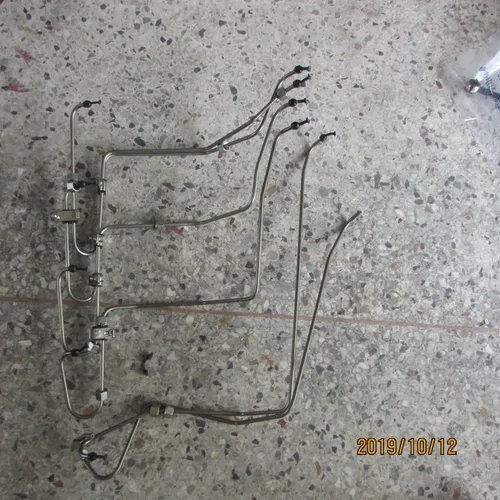
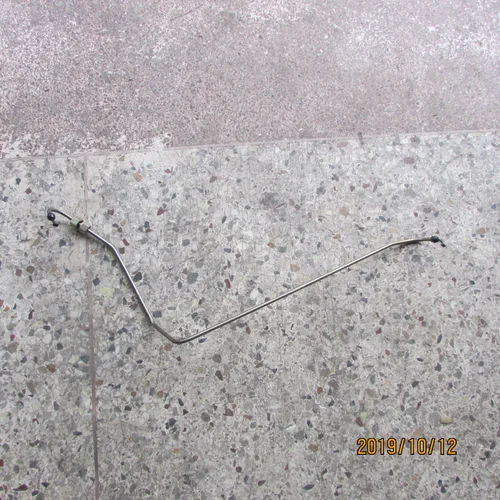
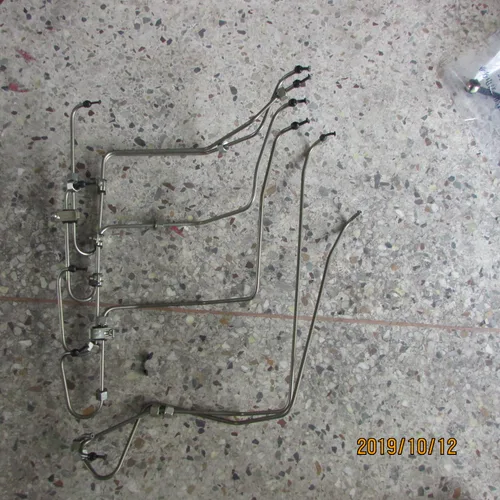
A high pressure fuel pipe (also called high-pressure fuel line, common-rail fuel pipe, or injector fuel pipe) is a critical pressure-bearing pipeline in the diesel fuel injection system, connecting the common rail to the electronically controlled injectors (or directly connecting the injection pump to the injectors), tasked with delivering high-pressure fuel from the rail/pump to the injector nozzle. Modern diesel injection pressure can reach up to 200 MPa—about three times that of conventional diesel engines—so the high pressure fuel pipe must possess sufficient pressure resistance and fatigue strength.
There are two core design principles for high pressure fuel pipes: first, each cylinder's high pressure fuel pipe should be as equal in length as possible, giving every injector the same injection pressure and minimizing injection-quantity deviation between cylinders; second, the pipe should be as short as possible to maximize reduction of pressure loss from the rail to the injector. This differs fundamentally from conventional mechanically cam-driven low-pressure fuel supply—under an electronically controlled high-pressure common-rail system, the pipe must withstand both high pressure and the high-frequency vibration during injection, making it one of the more fatigue-prone and leak-prone components in the fuel system.
The Weichai-Deutz 226B is a diesel platform produced by Weichai using licensed German Deutz technology, widely used in wheel loaders, road rollers, motor graders, generator sets, and other construction and power applications. Supplier listings suggest an association between 13030240 and the Weichai-Deutz 226B high pressure fuel pipe, but whether this number is an XCMG genuine spare, and the one-to-one correspondence between 860127795 and 13030240, cannot be confirmed from public sources and require verification through XCMG's parts system or catalog numbering.
The high pressure fuel pipe is a critical safety component in the fuel system. Common failure modes include: cone-seat wear or nicks at fittings causing poor sealing, fatigue cracks on the pipe body from long-term high-pressure pulsation, intensified resonance from loose or missing pipe clamps, and root cracking from installation twist stress concentration. When symptoms appear—seepage at fittings, damp pipe surface, abnormal fuel consumption, or hard starting—timely inspection and replacement are necessary to avoid injury from high-pressure fuel spray. When replacing, always relieve the fuel system pressure first, use a dedicated wrench to hold the inlet fitting during disassembly and installation to avoid inadvertent rotation, tighten alternately and diagonally to the torque specified in the service manual (Weichai WP10: injector end approx. 20–25 N·m, rail/pump end approx. 25–35 N·m), and mount the pipe clamp before tightening both ends