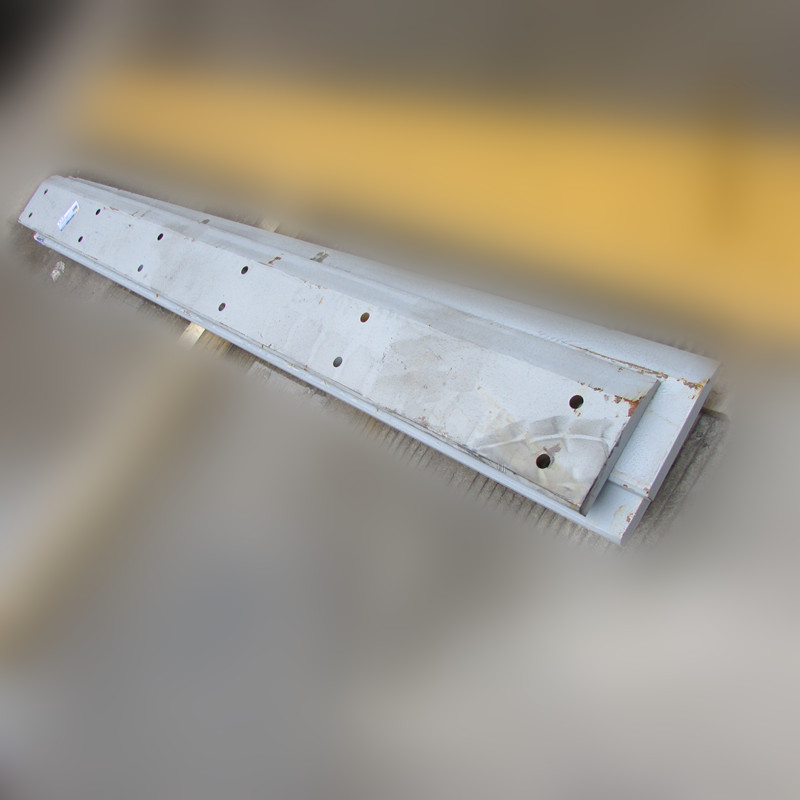
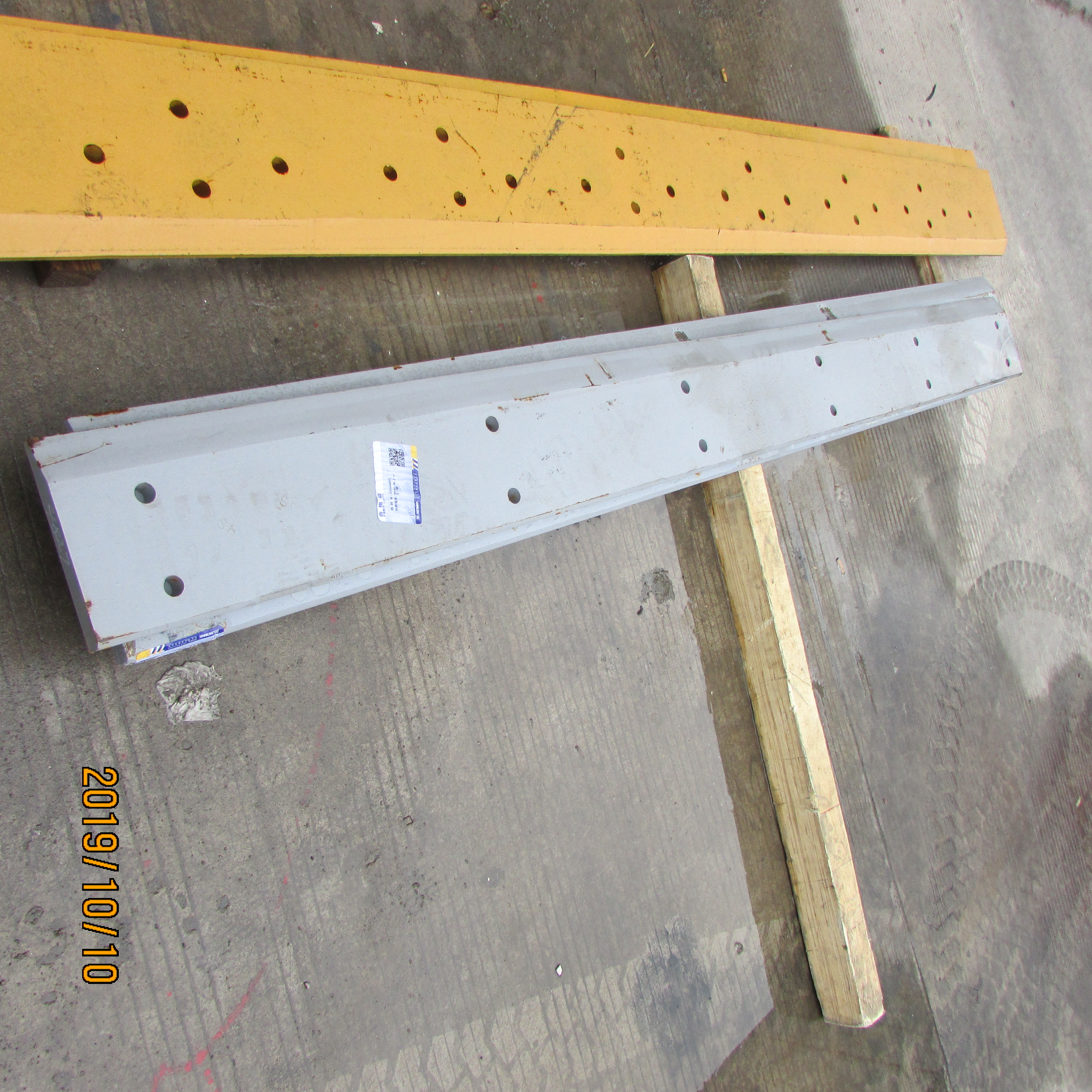
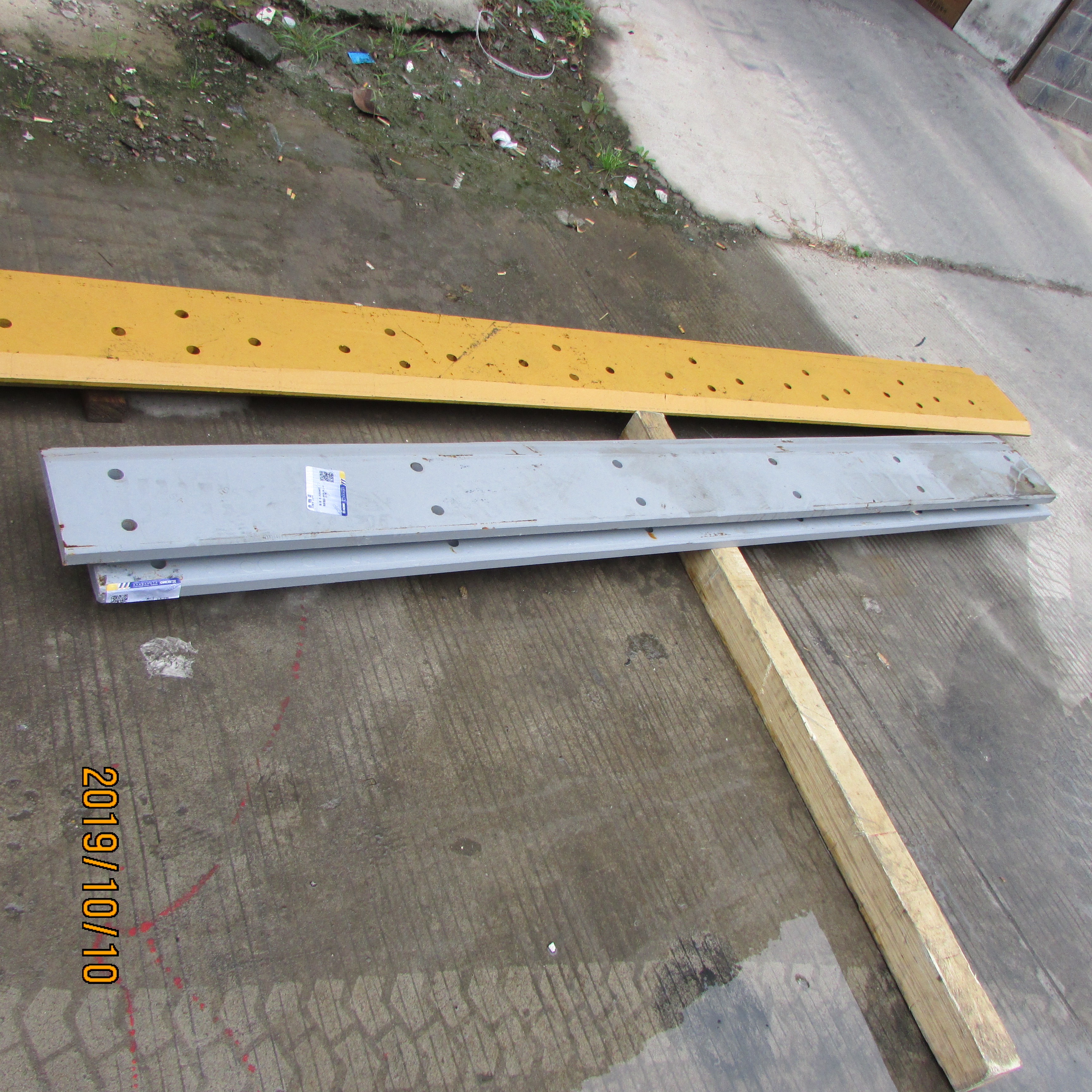
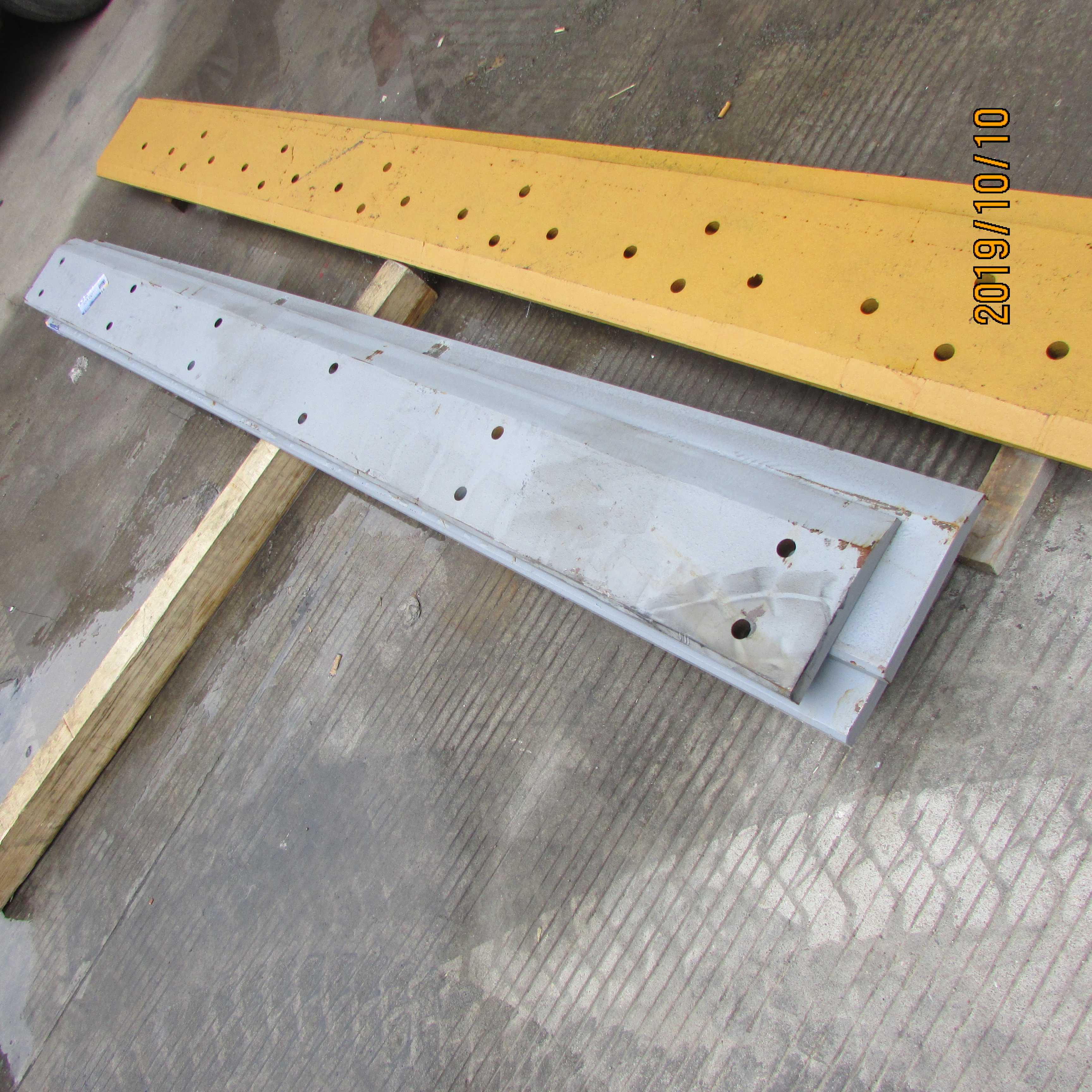
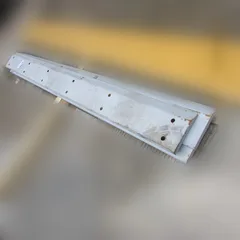
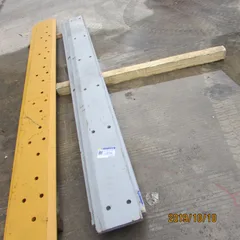
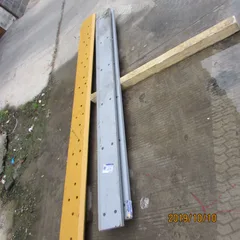
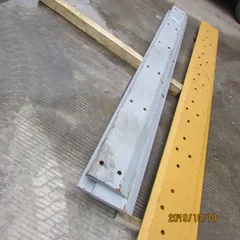
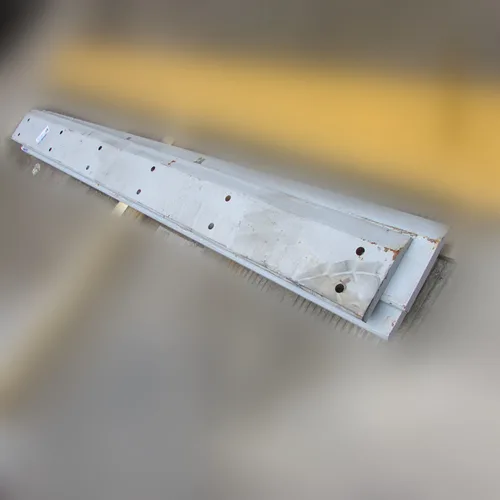
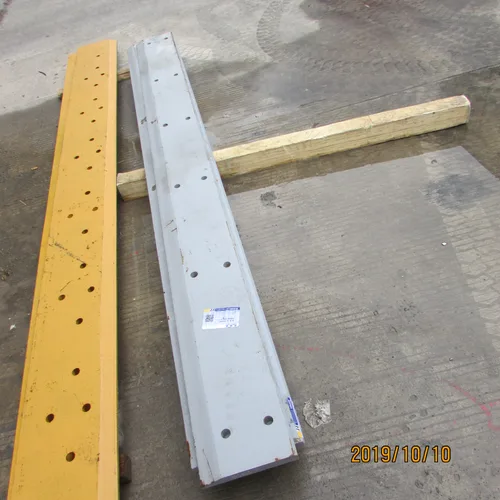
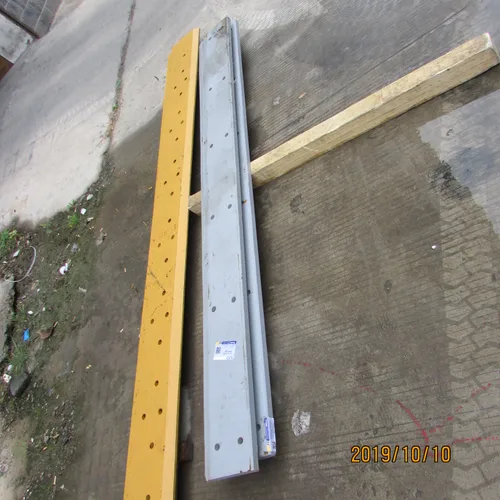
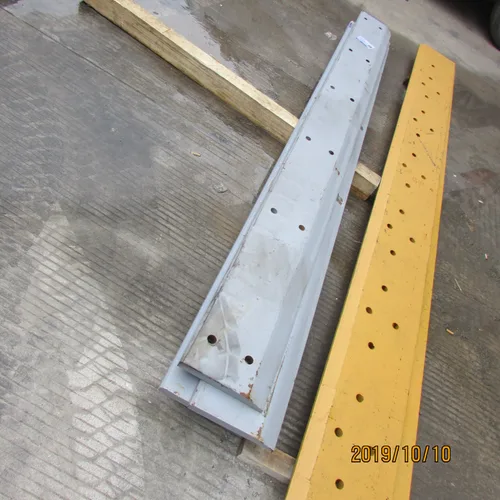
A cutting edge (also called bucket base edge or bottom blade) is the core wear component at the front lower edge of a loader bucket. Spanning the full opening width of the bucket, its front edge is chamfered to an optimal cutting angle for penetrating material . Its main functions are: ① providing a sharp cutting edge to reduce digging resistance; ② bearing direct impact and abrasive wear from material on the bucket bottom, protecting the bucket base plate; ③ allowing individual replacement once worn out, avoiding scrapping the entire bucket and reducing operating costs .
In actual loader operations, the bucket is primarily used for loading soil, sand, gravel, ore, and hard earth , working against high-abrasive media such as sandy soil, crushed stone, and slag. The cutting edge operates long-term under harsh conditions of high impact, high wear, and alternating wet-dry exposure. Therefore, cutting edges are generally made from medium-to-high-carbon wear-resistant alloy steel (such as 22SiMn2), heat-treated to achieve high hardness and impact toughness, with Brinell hardness ranging from 250–600 HBW depending on the wear intensity class .
Cutting edges on the market are typically graded by bucket width, with common specifications covering bucket opening widths of 2.92 m / 3.16 m / 3.20 m / 3.36 m , and can be combined with side cutting edges (side blades) and replaceable wear plates to form multi-layer wear-protection structures . Some manufacturers offer OEM customization services, processing specific bevels, hole patterns, and curvature per customer drawings .