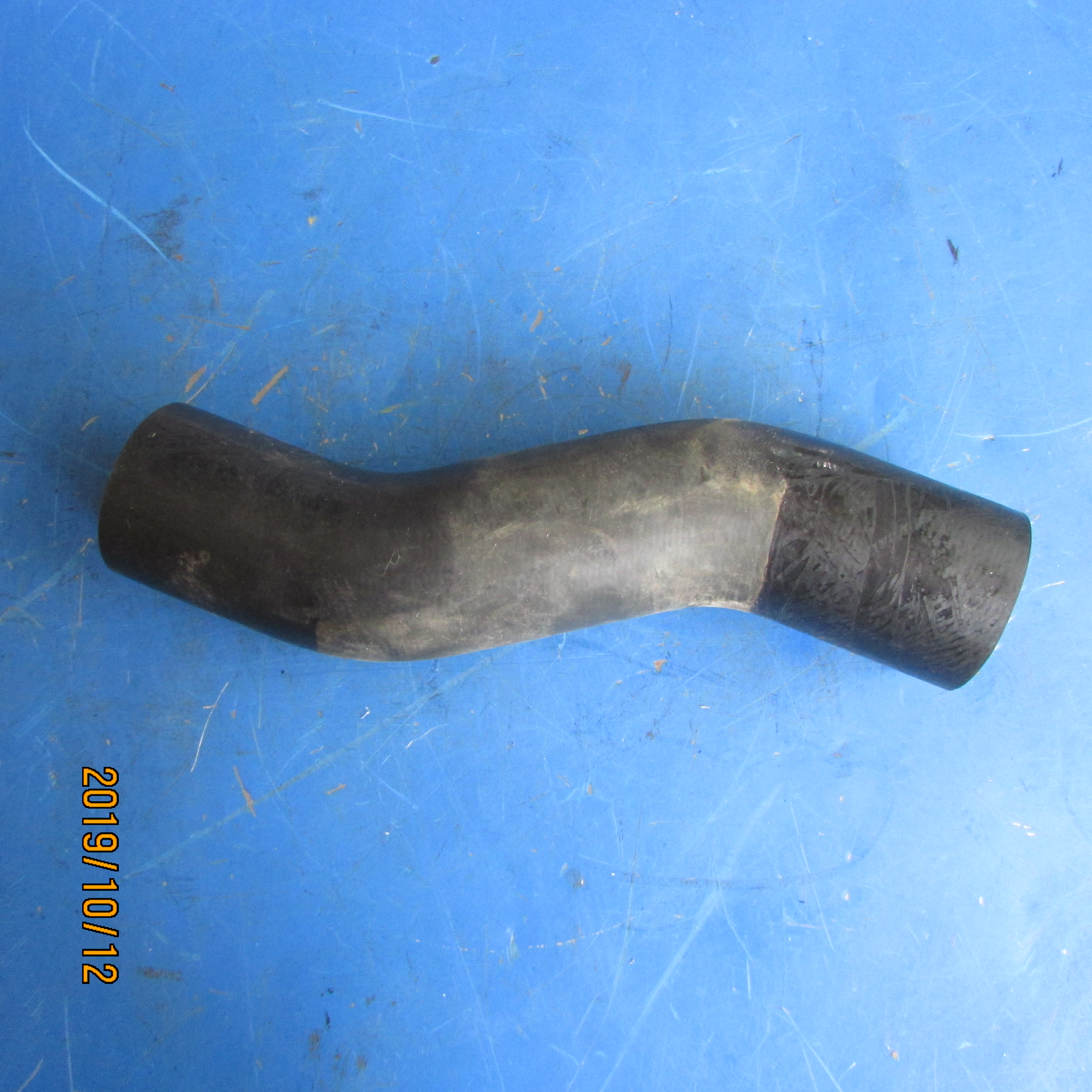
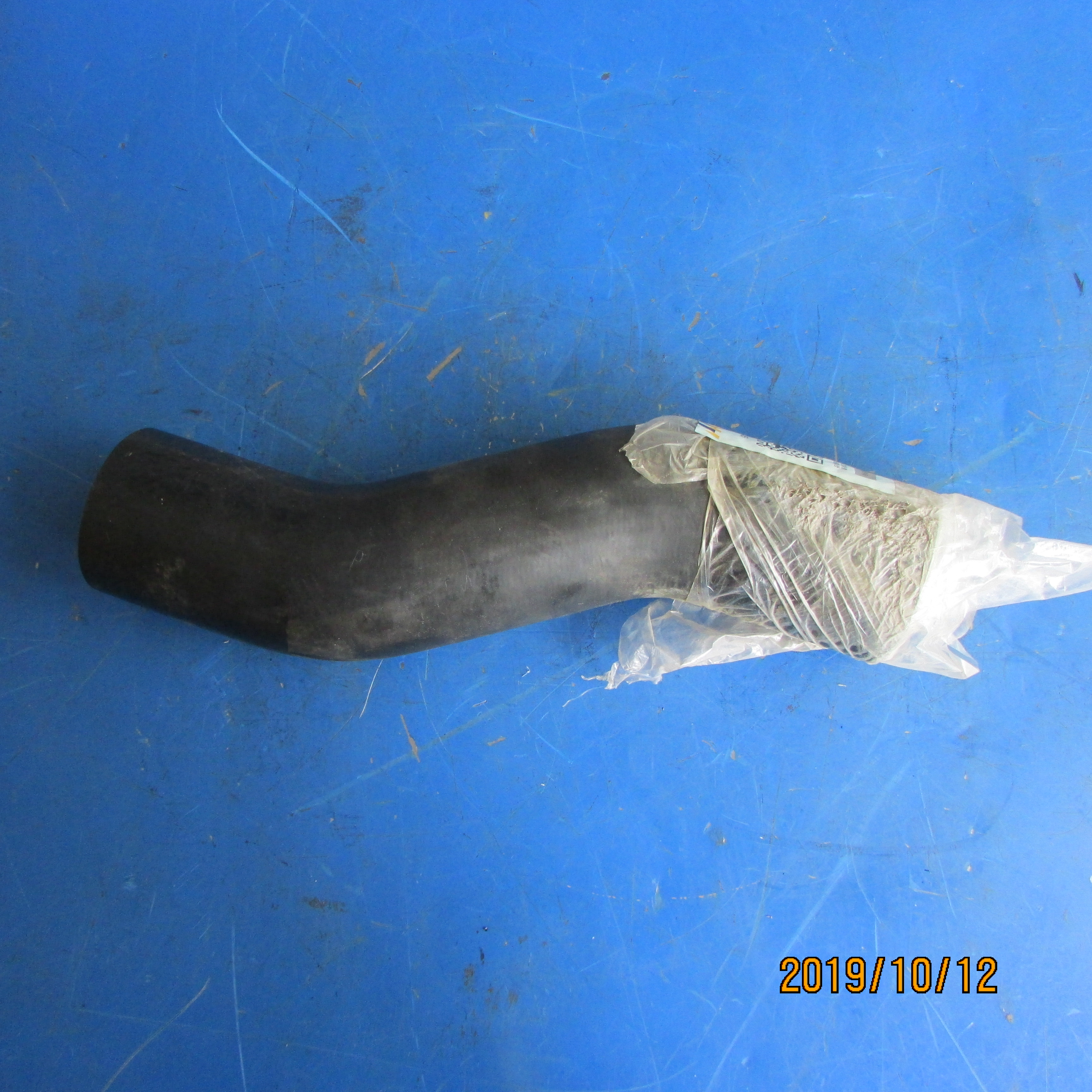
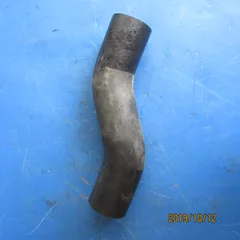
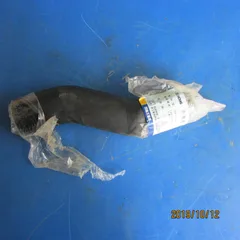
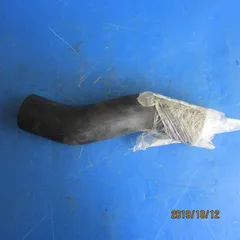
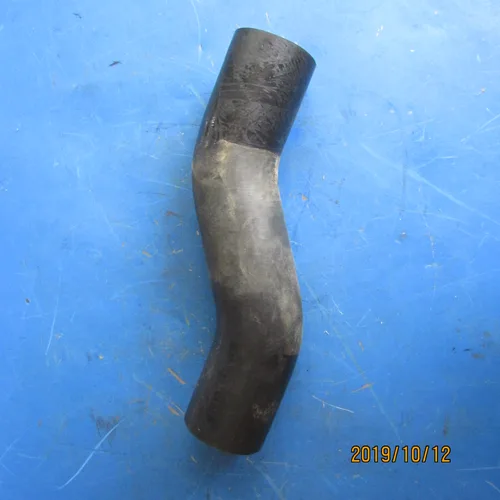
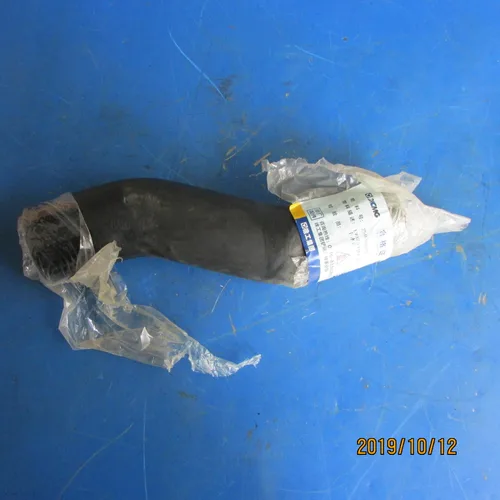
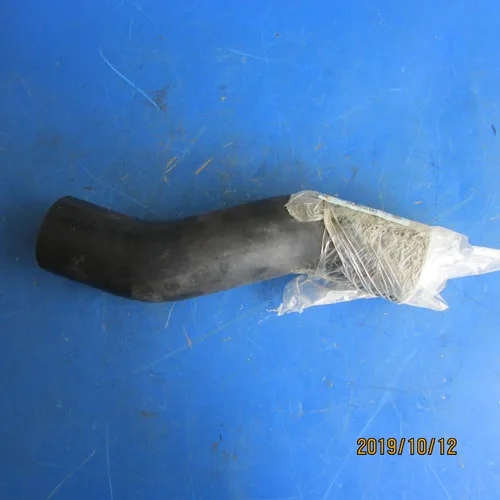
A lower radiator hose is the pipe connecting the bottom outlet of the radiator to the inlet port on the engine block within the engine cooling loop, working together with the upper radiator hose to form a closed coolant circulation path. As coolant flows through the circuit, the lower hose serves its designated passage; its sealing integrity and flow smoothness directly affect engine heat dissipation efficiency and operational safety.
Operating in harsh field conditions, the lower radiator hose is exposed long-term to high temperature, vibration, oil contamination, and mud-water washing. Rubber material tends to age and crack, hose clamps may loosen, and the inner wall can delaminate—making it one of the more leak-prone components in the cooling system. When symptoms such as elevated water temperature, seepage at joints, or surface cracking appear, inspection and timely replacement are necessary to avoid engine overheating and cylinder scoring due to coolant loss.
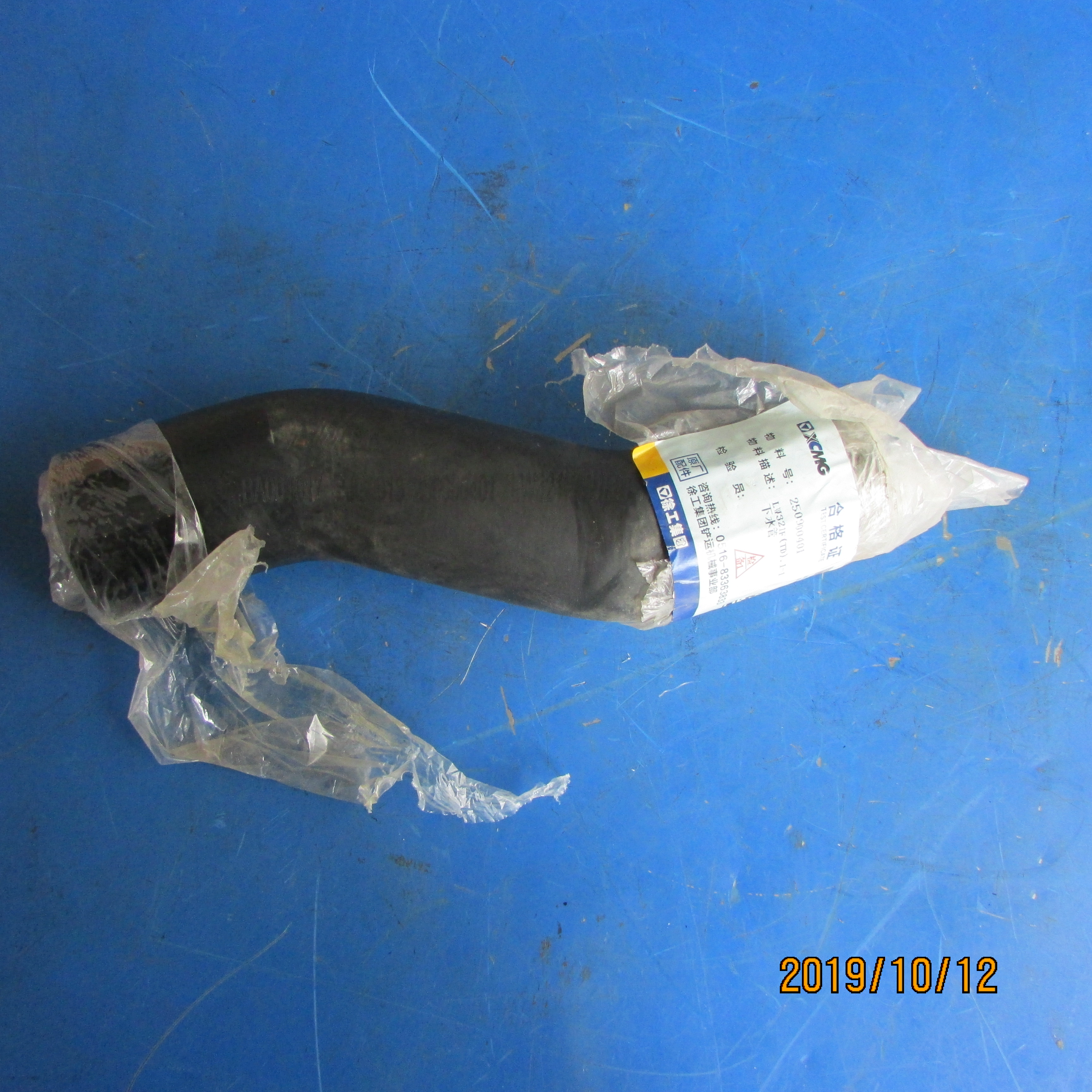
This 250900401 is associated with drawing number LW321F(TD).1-1. The prefix LW321F corresponds to XCMG's 3-ton-class wheel loader (powered by a Yuchai YC6108G engine rated at 92 kW), but whether it is exclusively used on this model, and the exact meaning of the suffix "TD", cannot be directly confirmed from publicly available sources and should be verified through XCMG's parts system or catalog numbering. XCMG's official spare-parts service notes that construction machinery encompasses a vast range of components, and entering the part number, model, or keyword enables quick lookup of the required genuine spare parts.
When replacing the lower radiator hose, work only after the engine has completely cooled. First drain the coolant, loosen the clamps at both ends, then remove the old hose and inspect the joint inner walls for corrosion or deformation. When installing the new hose, ensure the routing matches the original without twisting or kinking, tighten the clamps to the torque specified in the service manual, then refill with coolant, bleed the system, and check for leaks after startup.
⚠️ Verification Notice: No official datasheet for 250900401 was found in public channels. Before ordering, please confirm the following four items—
① The original part number on the equipment nameplate or cooling-system catalog, verifying whether it fully matches 250900401 and LW321F(TD).1-1;
② The applicable model (the drawing prefix points to LW321F, but whether exclusive requires confirmation via XCMG catalog);
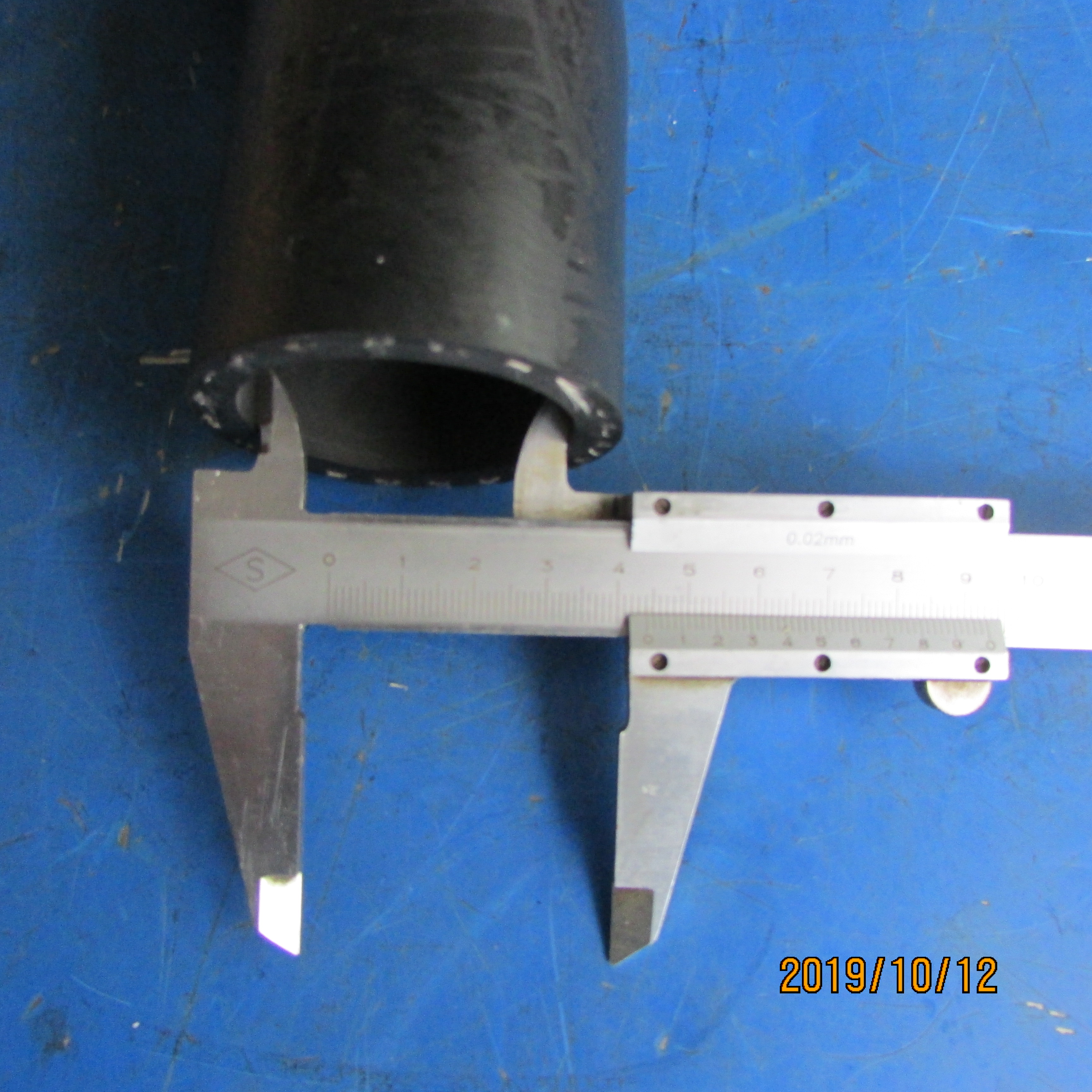
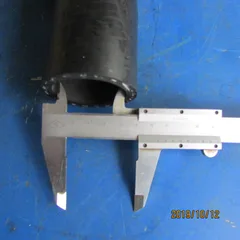
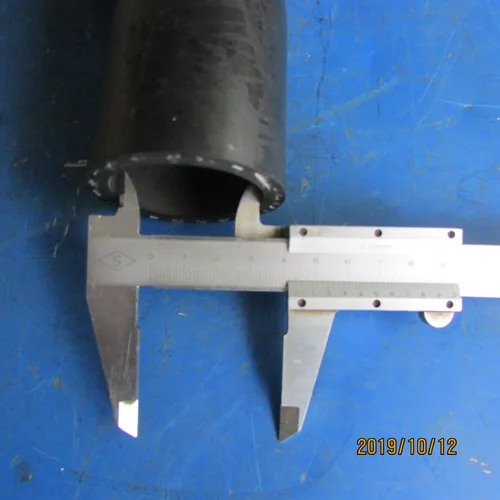
③ The hose inner diameter, length, and bend routing (must match the original for proper fitment);
④ The joint style at both ends (clamp-type / flange-type) and clamp specifications.
Lower radiator hoses vary significantly across brands, tonnage classes, and engine configurations—do not replace across models based solely on visual similarity. It is recommended to attach photos of the old part or nameplate information when placing an order for comparison.