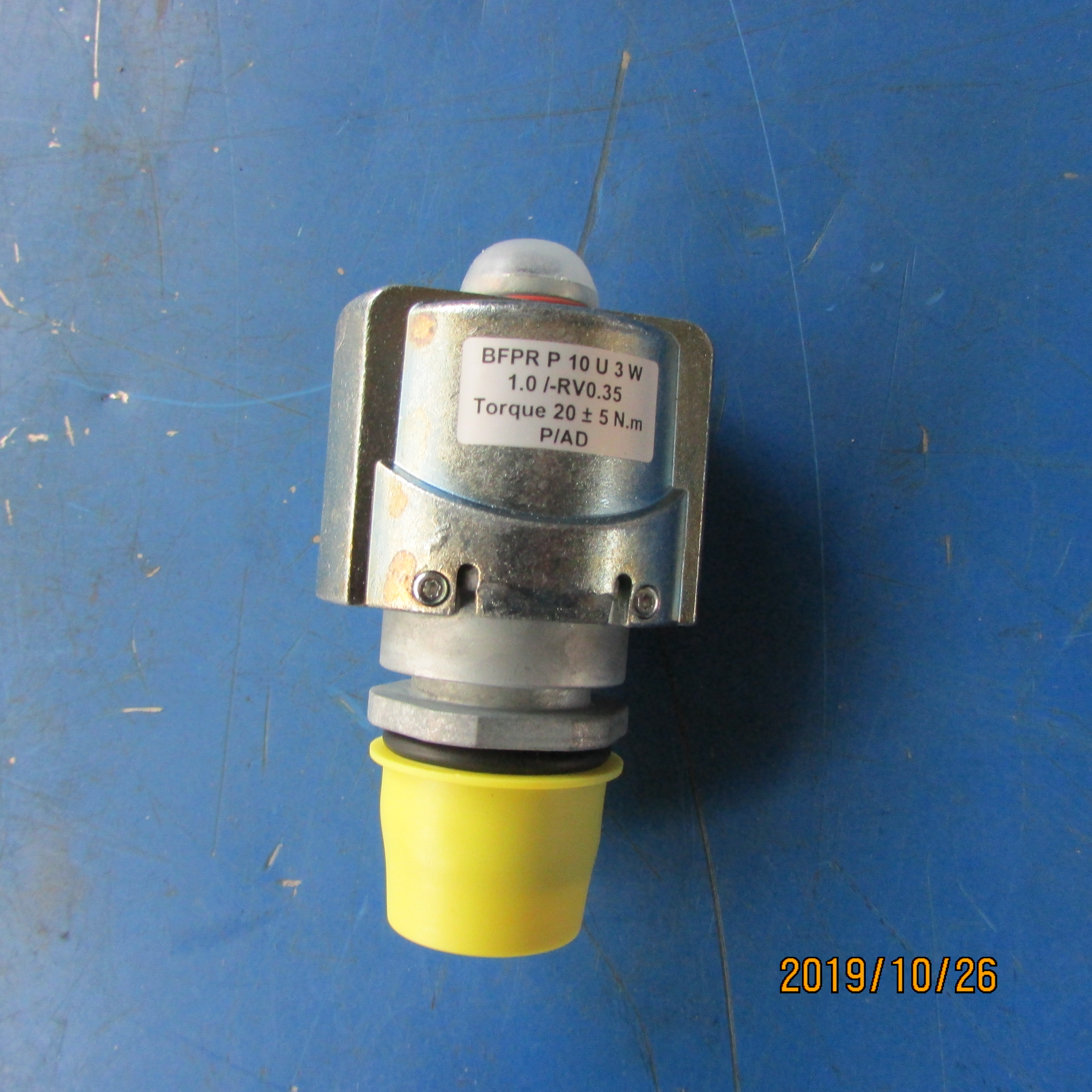
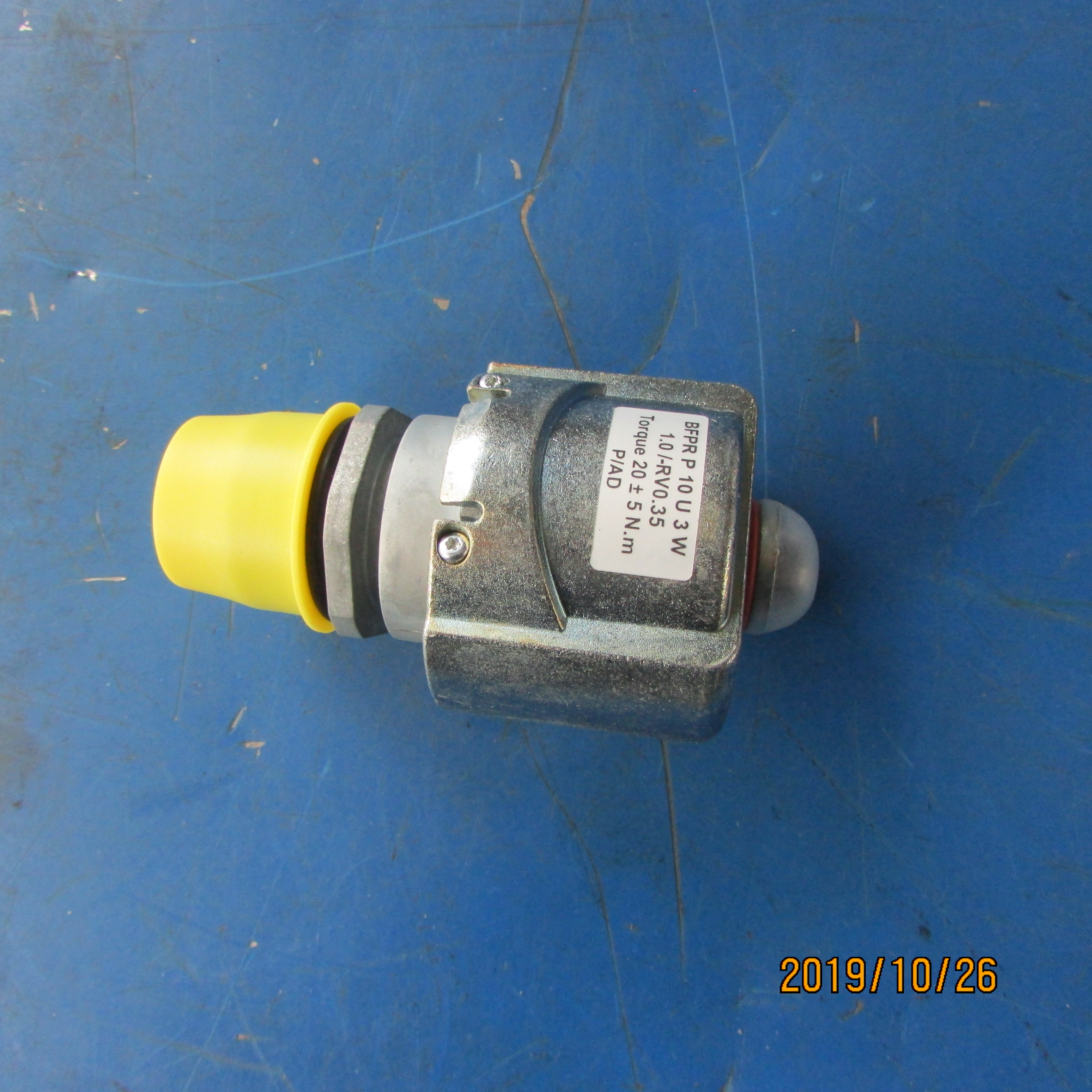
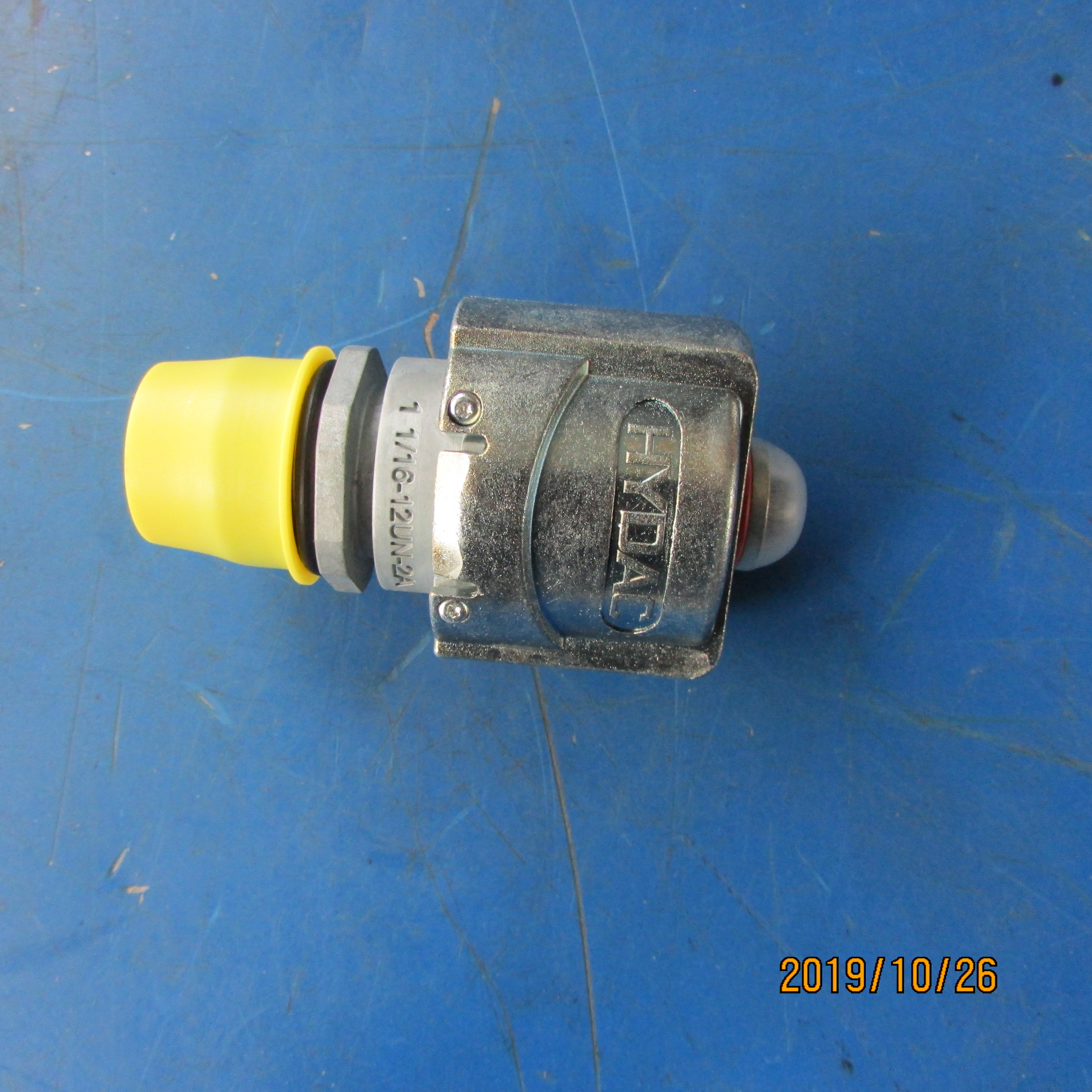
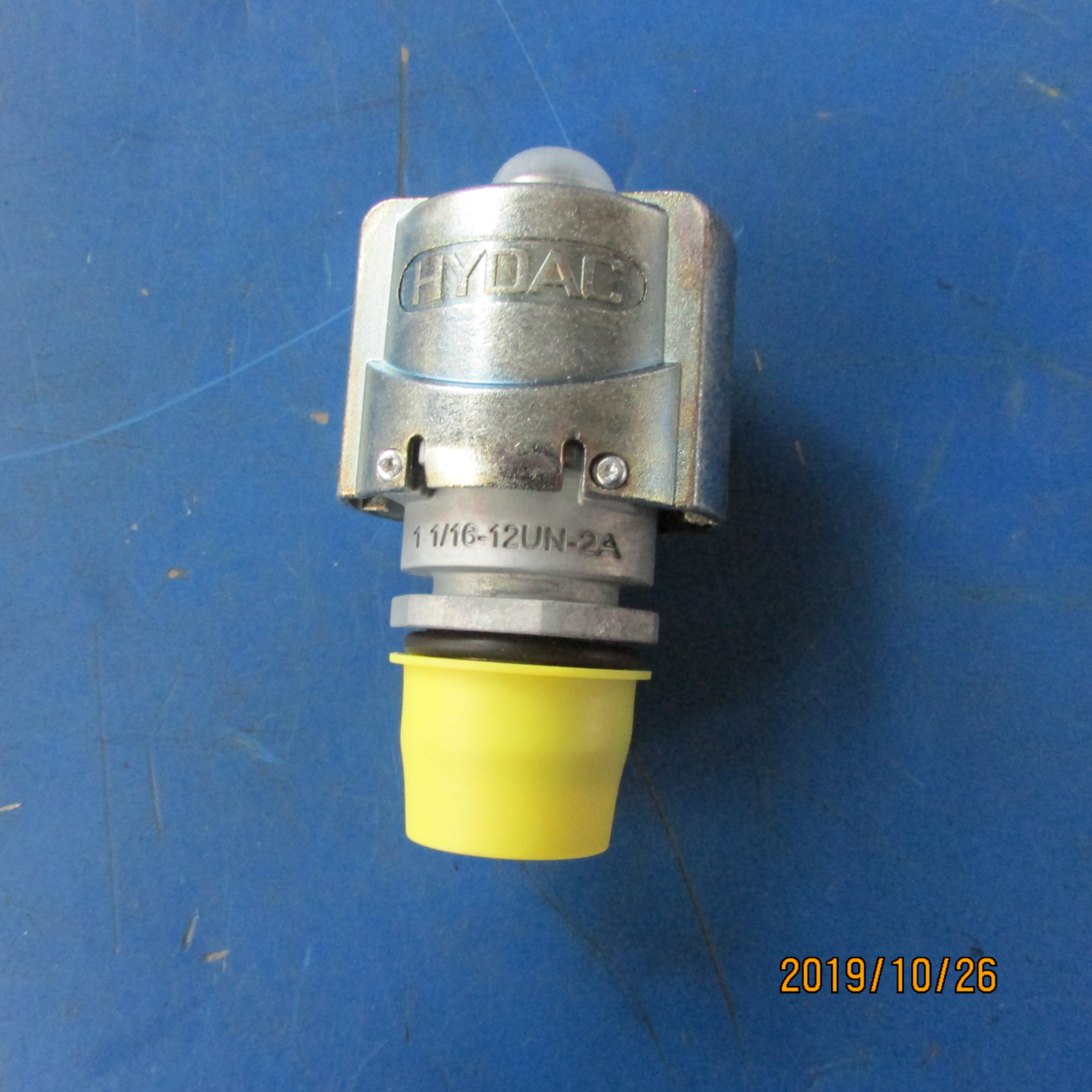
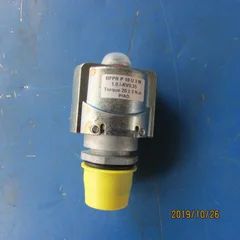
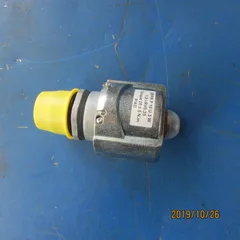
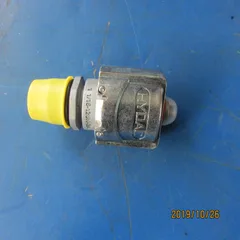
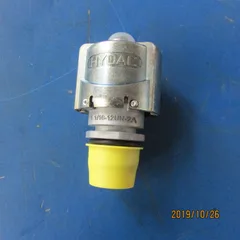
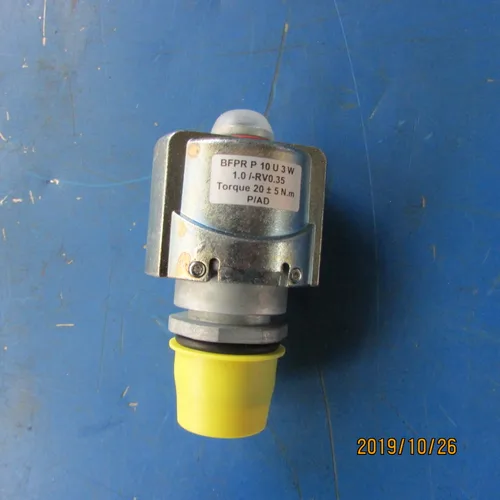
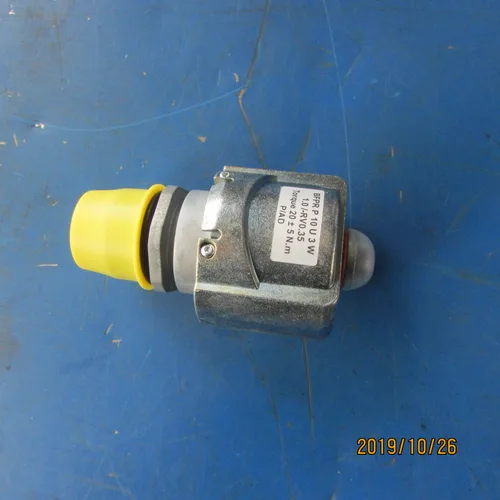
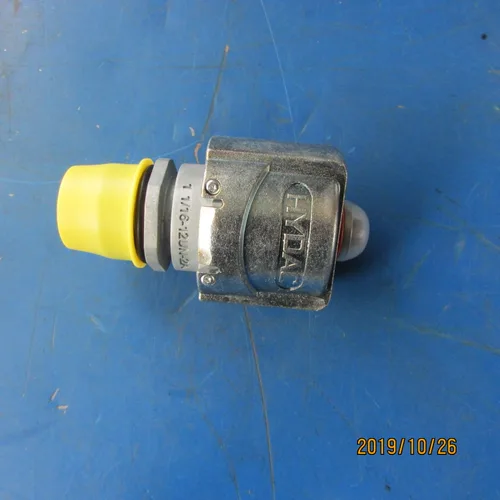
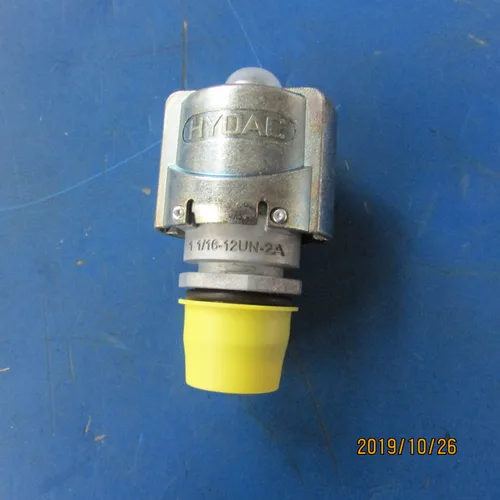
A pressurized air breather (also called pressurized hydraulic air filter, tank breather, or pre-loaded breather) is an essential accessory of the hydraulic tank in construction machinery, playing a key role in maintaining tank cleanliness, keeping exchanged air clean, and extending the service life of hydraulic oil and components, finding wide application across hydraulic systems at home and abroad .
Working principle: When the hydraulic system operates (e.g., cylinder extends), oil is drawn from the tank into pipelines and actuators, the fluid level drops, and negative pressure appears inside the tank—at this point the intake check valve automatically opens, allowing outside air filtered through the air screen to enter the tank and compensate the vacuum, avoiding pump cavitation ; when the cylinder retracts and oil returns to raise the level, while oil temperature rises generating oil mist, tank pressure increases, and once it reaches the preset value the exhaust check valve automatically opens to release air outward until the internal pressure returns to the preset value and the valve closes again . The alternating action of intake and exhaust check valves keeps the tank internal pressure within the predetermined range, improving the pump's self-priming capability while avoiding cavitation faults caused by fluid oscillation .
Structural composition: A typical pressurized air breather generally consists of three functional modules—air screen, intake check valve, and exhaust check valve ; some improved models add a manual exhaust valve, anti-splash baffle, anti-oil-mist baffle, sludge collection trough, and oil return holes to address pain points of traditional products such as oil spraying, oil-mist pollution, and inability to depressurize during maintenance .