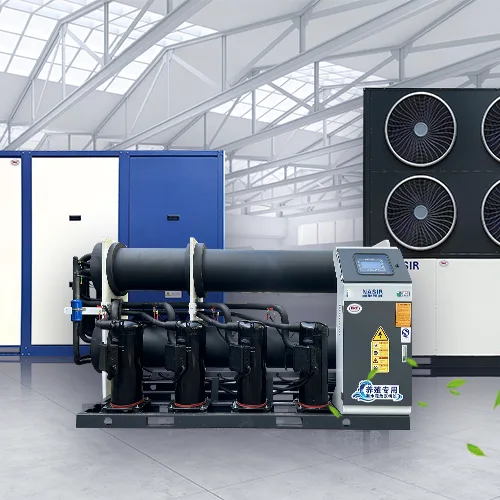
In recent years, recirculating aquaculture has gained increasing application in the aquatic farming industry due to its outstanding advantages such as water and land conservation, high productivity, and controllable environment. However, this model also faces unique challenges: in closed, high-density farming environments, diseases spread rapidly and are difficult to control; while water sources, as the "blood" of the system, directly determine the success or failure of farming. As a green fisheries system equipment company specializing in energy-saving and environmentally friendly innovations, Shandong Naxin New Energy Co., Ltd. (hereinafter referred to as "Naxin Energy") integrates the R&D, design, production, sales, installation, and service of temperature control systems, recirculating aquaculture systems, source water treatment systems, and tailwater treatment systems, committed to providing one-stop solutions for the industry. Today, Naxin Energy combines years of practical experience to deeply analyze disease prevention and control strategies in recirculating aquaculture, as well as key points for water source selection, helping aquaculture practitioners build a stable and efficient production system.
01 Where do diseases come from? Prevention from both internal and external sources is key
The sources of diseases in recirculating aquaculture systems are primarily divided into exogenous and endogenous categories.
Exogenous diseases primarily originate from raw water, fish fry, and air. Raw water may carry bacteria, viruses, fungi, and parasite eggs; fish fry that undergo inadequate quarantine can easily become carriers of pathogens; and microorganisms reproducing spores in the air can also enter the system through ventilation. The mainstream circulating water systems currently employ a combined ozone and ultraviolet treatment technology to efficiently disinfect both raw and aquaculture water. Naxin Energy fully considers this aspect in system design by organically integrating disinfection units with temperature control units, ensuring the water meets safety standards before entering the aquaculture pool. Additionally, establishing strict disinfection and quarantine protocols for fish fry before they enter the pool, along with regular disease prevention measures, can significantly reduce the likelihood of devastating pest outbreaks.
Endogenous diseases are closely related to the complex microbial ecology of the system. The recirculating water system is not a sterile environment but rather teeming with numerous opportunistic pathogens, which are widely distributed in breeding ponds, pipelines, and biochemical pools. When fish are healthy and have normal immunity, these microorganisms even contribute to water purification. However, if factors such as mechanical injury, stress response, or improper feeding occur, the fish's immunity declines, allowing opportunistic pathogens to breach the immune barrier and trigger diseases. Notably, drastic temperature fluctuations are a significant cause of fish stress. The marine water source heat pump units and air source heat pump units developed by Naxin Energy for aquaculture can provide constant temperatures (with a temperature difference controlled within ±0.1°C) for breeding ponds, significantly reducing stress reactions caused by temperature fluctuations and fundamentally lowering the risk of endogenous disease outbreaks.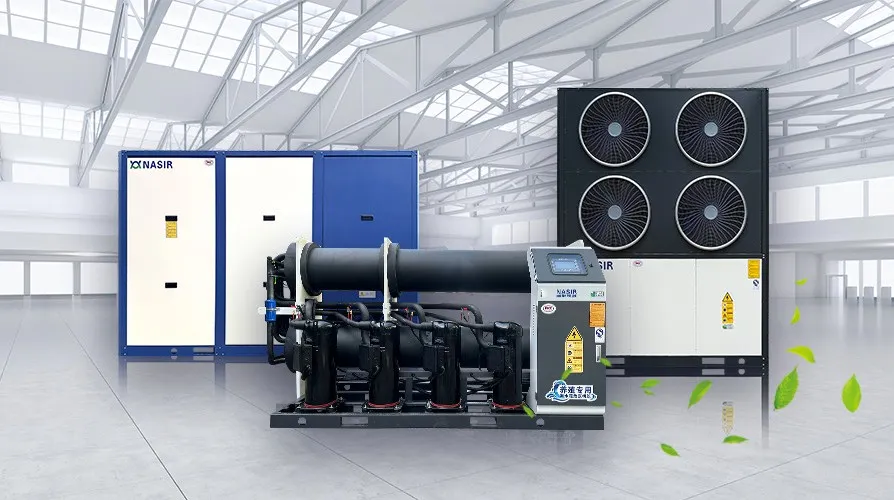
02 The "Three-Step Method" Model for Disease Control
In response to the characteristics of diseases in recirculating aquaculture, the industry has developed a comprehensive prevention and control model known as "feed control—fasting—active treatment.".
Feed control: Although feed high in fat, protein, and sugar can promote growth, it may also impose metabolic burdens on the fish's liver, gallbladder, and pancreas. By scientifically regulating feeding schedules and regularly supplementing with vitamins, digestive enzymes, or traditional Chinese herbal preparations, digestion can be assisted, immunity enhanced, and the risk of disease onset reduced from the outset.
Starvation Therapy: When fish are infected with viruses or intracellular bacteria, treatment is particularly challenging due to the difficulty of drugs penetrating cellular barriers and the blood-brain barrier. Moderate starvation (typically two to three days) can reduce the activity of phagocytes, minimize the risk of pathogen spread caused by incomplete phagocytosis, and allocate more energy to maintaining immune function, aiding in the recovery of some infected fish. It is important to note that this method should be implemented appropriately based on fish species, condition, and constitution to avoid damage from excessive starvation.
Active Treatment: Emphasize etiological treatment rather than mere symptomatic management. For instance, fin rot may be caused by parasites, bacteria, or fungi, requiring precise medication based on identified pathogens. When fish are simultaneously infected with multiple diseases, prioritize addressing the most severe condition. Combine water quality adjustment with medication, and dynamically adjust the treatment plan according to disease progression to achieve optimal results.
03 How to choose a water source? Naxin's temperature control system makes any water source more reliable
Water source is the cornerstone of recirculating aquaculture systems. Groundwater, domestic water, and surface water each have their unique characteristics, requiring tailored selection based on local conditions. Regardless of the chosen water source, maintaining a constant water temperature throughout the entire aquaculture process is crucial for ensuring fish health and improving feed conversion rates. Naxin Energy's temperature control product matrix can perfectly adapt to various water source conditions.

Groundwater, characterized by constant temperature, stable water quality, and low pathogenic microorganisms, is one of the ideal water sources. However, it often lacks dissolved oxygen and may contain soluble toxic gases and excessive metal ions. Naxin New Energy's seawater source heat pump units utilize titanium alloy heat exchange tubes and PP casing materials, offering excellent corrosion resistance to withstand the corrosive risks posed by high salinity in groundwater. Combined with aeration and filtration pretreatment, the system ensures long-term stable operation.
Domestic water (tap water): Reliable in quality and convenient to use, but contains chlorine and has relatively high water fees. Naxin New Energy's waste heat recovery system utilizes the temperature difference between aquaculture drainage and intake water for heat exchange, significantly reducing the energy consumption required to heat tap water, with operational costs being only a fraction of those of traditional boilers.
Surface water: abundant resources and low extraction costs, but with significant water quality fluctuations and complex treatment processes. Naxin New Energy offers modular raw water pretreatment systems, combined with low-temperature high-heat air source heat pumps (capable of normal operation at -35°C). Even in cold regions or areas with drastic surface water temperature changes, it ensures stable pond water temperatures, meeting the growth requirements of fish.
04 Beyond Equipment: Naxin's Technical Support and System Services
Shandong Naxin New Energy Co., Ltd. was established in 2017, with its production base located in the Energy Conservation and Environmental Protection Industrial Park of Jining Economic Development Zone. The company boasts a 46,000-square-meter standardized production workshop and a national-level laboratory. It employs a professional R&D team of over 50 members, equipped with various aquaculture recirculation systems production lines and testing equipment. Through in-depth collaboration with renowned domestic research institutions and universities, the company is dedicated to the innovative development of complete factory-based recirculating aquaculture systems, intelligent fishery management systems, and IoT software.
In the field of temperature control products, Naxin Energy has introduced specialized seawater heat pump units for aquaculture, dedicated air-source heat pump units for aquatic farming, and waste heat energy recovery systems, featuring the following core advantages:
High efficiency and energy savings: The seawater source heat pump achieves a heating efficiency of up to 580%, while the waste heat recovery system boasts an efficiency as high as 980%, saving 50% to 80% in operating costs compared to traditional boilers.
Ultimate Corrosion Resistance: The heat exchange tubes are made of TA1 titanium, the tube sheets are titanium-steel composite plates, the shell and baffles are constructed from food-grade PP material, and the base features dual protection with galvanized steel plate and powder coating, specifically designed for seawater and highly corrosive water bodies.
Anti-scaling and easy to clean: Equipped with a shell-and-tube continuous spiral baffle heat exchanger, which eliminates flow dead zones and ensures high flow velocity, effectively delaying scaling. The segmented detachable structure facilitates regular cleaning, resulting in low maintenance costs.
Smart Control: Equipped with automatic temperature control, intelligent defrosting, freeze protection, full-function fault alarms, and an RS485 remote communication interface, it can be integrated into the smart aquaculture management system to achieve unmanned operation.
Wide operating range: The low-temperature high-heat air-source heat pump can start normally in environments as cold as -35°C and operate stably at -25°C, adapting to climatic conditions across the country.
05 Conclusion
The disease prevention and water source management of circular aquaculture is a systematic project that requires breeders to deeply understand the mechanism of disease occurrence, flexibly apply comprehensive strategies of material control, starvation, and active treatment, and scientifically evaluate and continuously optimize water source quality. A constant and controllable water temperature is an important prerequisite for reducing stress, preventing diseases, and improving aquaculture efficiency. Naxin Energy has provided reliable temperature control solutions for numerous factory breeding projects through its independently developed high-efficiency corrosion-resistant heat pump units, waste heat recovery systems, and intelligent breeding management platforms. In the future, Naxin will continue to take "green fisheries, energy conservation and environmental protection" as its mission, promote the development of factory based smart fishery circular aquaculture equipment systems at home and abroad, and contribute to achieving sustainable social development and building a community with a shared future for mankind.
01 Where do diseases come from? Prevention from both internal and external sources is key
The sources of diseases in recirculating aquaculture systems are primarily divided into exogenous and endogenous categories.
Exogenous diseases primarily originate from raw water, fish fry, and air. Raw water may carry bacteria, viruses, fungi, and parasite eggs; fish fry that undergo inadequate quarantine can easily become carriers of pathogens; and microorganisms reproducing spores in the air can also enter the system through ventilation. The mainstream circulating water systems currently employ a combined ozone and ultraviolet treatment technology to efficiently disinfect both raw and aquaculture water. Naxin Energy fully considers this aspect in system design by organically integrating disinfection units with temperature control units, ensuring the water meets safety standards before entering the aquaculture pool. Additionally, establishing strict disinfection and quarantine protocols for fish fry before they enter the pool, along with regular disease prevention measures, can significantly reduce the likelihood of devastating pest outbreaks.
Endogenous diseases are closely related to the complex microbial ecology of the system. The recirculating water system is not a sterile environment but rather teeming with numerous opportunistic pathogens, which are widely distributed in breeding ponds, pipelines, and biochemical pools. When fish are healthy and have normal immunity, these microorganisms even contribute to water purification. However, if factors such as mechanical injury, stress response, or improper feeding occur, the fish's immunity declines, allowing opportunistic pathogens to breach the immune barrier and trigger diseases. Notably, drastic temperature fluctuations are a significant cause of fish stress. The marine water source heat pump units and air source heat pump units developed by Naxin Energy for aquaculture can provide constant temperatures (with a temperature difference controlled within ±0.1°C) for breeding ponds, significantly reducing stress reactions caused by temperature fluctuations and fundamentally lowering the risk of endogenous disease outbreaks.
02 The "Three-Step Method" Model for Disease Control
In response to the characteristics of diseases in recirculating aquaculture, the industry has developed a comprehensive prevention and control model known as "feed control—fasting—active treatment.".
Feed control: Although feed high in fat, protein, and sugar can promote growth, it may also impose metabolic burdens on the fish's liver, gallbladder, and pancreas. By scientifically regulating feeding schedules and regularly supplementing with vitamins, digestive enzymes, or traditional Chinese herbal preparations, digestion can be assisted, immunity enhanced, and the risk of disease onset reduced from the outset.
Starvation Therapy: When fish are infected with viruses or intracellular bacteria, treatment is particularly challenging due to the difficulty of drugs penetrating cellular barriers and the blood-brain barrier. Moderate starvation (typically two to three days) can reduce the activity of phagocytes, minimize the risk of pathogen spread caused by incomplete phagocytosis, and allocate more energy to maintaining immune function, aiding in the recovery of some infected fish. It is important to note that this method should be implemented appropriately based on fish species, condition, and constitution to avoid damage from excessive starvation.
Active Treatment: Emphasize etiological treatment rather than mere symptomatic management. For instance, fin rot may be caused by parasites, bacteria, or fungi, requiring precise medication based on identified pathogens. When fish are simultaneously infected with multiple diseases, prioritize addressing the most severe condition. Combine water quality adjustment with medication, and dynamically adjust the treatment plan according to disease progression to achieve optimal results.
03 How to choose a water source? Naxin's temperature control system makes any water source more reliable
Water source is the cornerstone of recirculating aquaculture systems. Groundwater, domestic water, and surface water each have their unique characteristics, requiring tailored selection based on local conditions. Regardless of the chosen water source, maintaining a constant water temperature throughout the entire aquaculture process is crucial for ensuring fish health and improving feed conversion rates. Naxin Energy's temperature control product matrix can perfectly adapt to various water source conditions.
Groundwater, characterized by constant temperature, stable water quality, and low pathogenic microorganisms, is one of the ideal water sources. However, it often lacks dissolved oxygen and may contain soluble toxic gases and excessive metal ions. Naxin New Energy's seawater source heat pump units utilize titanium alloy heat exchange tubes and PP casing materials, offering excellent corrosion resistance to withstand the corrosive risks posed by high salinity in groundwater. Combined with aeration and filtration pretreatment, the system ensures long-term stable operation.
Domestic water (tap water): Reliable in quality and convenient to use, but contains chlorine and has relatively high water fees. Naxin New Energy's waste heat recovery system utilizes the temperature difference between aquaculture drainage and intake water for heat exchange, significantly reducing the energy consumption required to heat tap water, with operational costs being only a fraction of those of traditional boilers.
Surface water: abundant resources and low extraction costs, but with significant water quality fluctuations and complex treatment processes. Naxin New Energy offers modular raw water pretreatment systems, combined with low-temperature high-heat air source heat pumps (capable of normal operation at -35°C). Even in cold regions or areas with drastic surface water temperature changes, it ensures stable pond water temperatures, meeting the growth requirements of fish.
04 Beyond Equipment: Naxin's Technical Support and System Services
Shandong Naxin New Energy Co., Ltd. was established in 2017, with its production base located in the Energy Conservation and Environmental Protection Industrial Park of Jining Economic Development Zone. The company boasts a 46,000-square-meter standardized production workshop and a national-level laboratory. It employs a professional R&D team of over 50 members, equipped with various aquaculture recirculation systems production lines and testing equipment. Through in-depth collaboration with renowned domestic research institutions and universities, the company is dedicated to the innovative development of complete factory-based recirculating aquaculture systems, intelligent fishery management systems, and IoT software.
In the field of temperature control products, Naxin Energy has introduced specialized seawater heat pump units for aquaculture, dedicated air-source heat pump units for aquatic farming, and waste heat energy recovery systems, featuring the following core advantages:
High efficiency and energy savings: The seawater source heat pump achieves a heating efficiency of up to 580%, while the waste heat recovery system boasts an efficiency as high as 980%, saving 50% to 80% in operating costs compared to traditional boilers.
Ultimate Corrosion Resistance: The heat exchange tubes are made of TA1 titanium, the tube sheets are titanium-steel composite plates, the shell and baffles are constructed from food-grade PP material, and the base features dual protection with galvanized steel plate and powder coating, specifically designed for seawater and highly corrosive water bodies.
Anti-scaling and easy to clean: Equipped with a shell-and-tube continuous spiral baffle heat exchanger, which eliminates flow dead zones and ensures high flow velocity, effectively delaying scaling. The segmented detachable structure facilitates regular cleaning, resulting in low maintenance costs.
Smart Control: Equipped with automatic temperature control, intelligent defrosting, freeze protection, full-function fault alarms, and an RS485 remote communication interface, it can be integrated into the smart aquaculture management system to achieve unmanned operation.
Wide operating range: The low-temperature high-heat air-source heat pump can start normally in environments as cold as -35°C and operate stably at -25°C, adapting to climatic conditions across the country.
05 Conclusion
The disease prevention and water source management of circular aquaculture is a systematic project that requires breeders to deeply understand the mechanism of disease occurrence, flexibly apply comprehensive strategies of material control, starvation, and active treatment, and scientifically evaluate and continuously optimize water source quality. A constant and controllable water temperature is an important prerequisite for reducing stress, preventing diseases, and improving aquaculture efficiency. Naxin Energy has provided reliable temperature control solutions for numerous factory breeding projects through its independently developed high-efficiency corrosion-resistant heat pump units, waste heat recovery systems, and intelligent breeding management platforms. In the future, Naxin will continue to take "green fisheries, energy conservation and environmental protection" as its mission, promote the development of factory based smart fishery circular aquaculture equipment systems at home and abroad, and contribute to achieving sustainable social development and building a community with a shared future for mankind.