

Introduction: Overcoming Productivity Bottlenecks with the 12-Ton Heavy Loader
In modern mining and large-scale infrastructure projects, operational efficiency is often constrained by the capacity of material handling equipment. For fleet managers and project owners, the challenge lies in balancing high productivity demands with strict cost controls and sustainability goals. The 12 ton heavy loader has emerged as a strategic solution to these pressures, bridging the gap between standard wheel loaders and ultra-large mining-class machinery. Designed to handle dense ores, aggregates, and heavy materials, this class of equipment offers a robust combination of power and agility. Featuring operating weights often exceeding 48,000 kg and engine power ratings up to 419 kW, these machines are engineered to deliver superior breakout forces and fast cycle times, ensuring high productivity even in the most demanding conditions . Their adoption is particularly critical in sectors like metal mining, quarrying, and large-scale port logistics, where they serve as the cornerstone of efficient material flow.
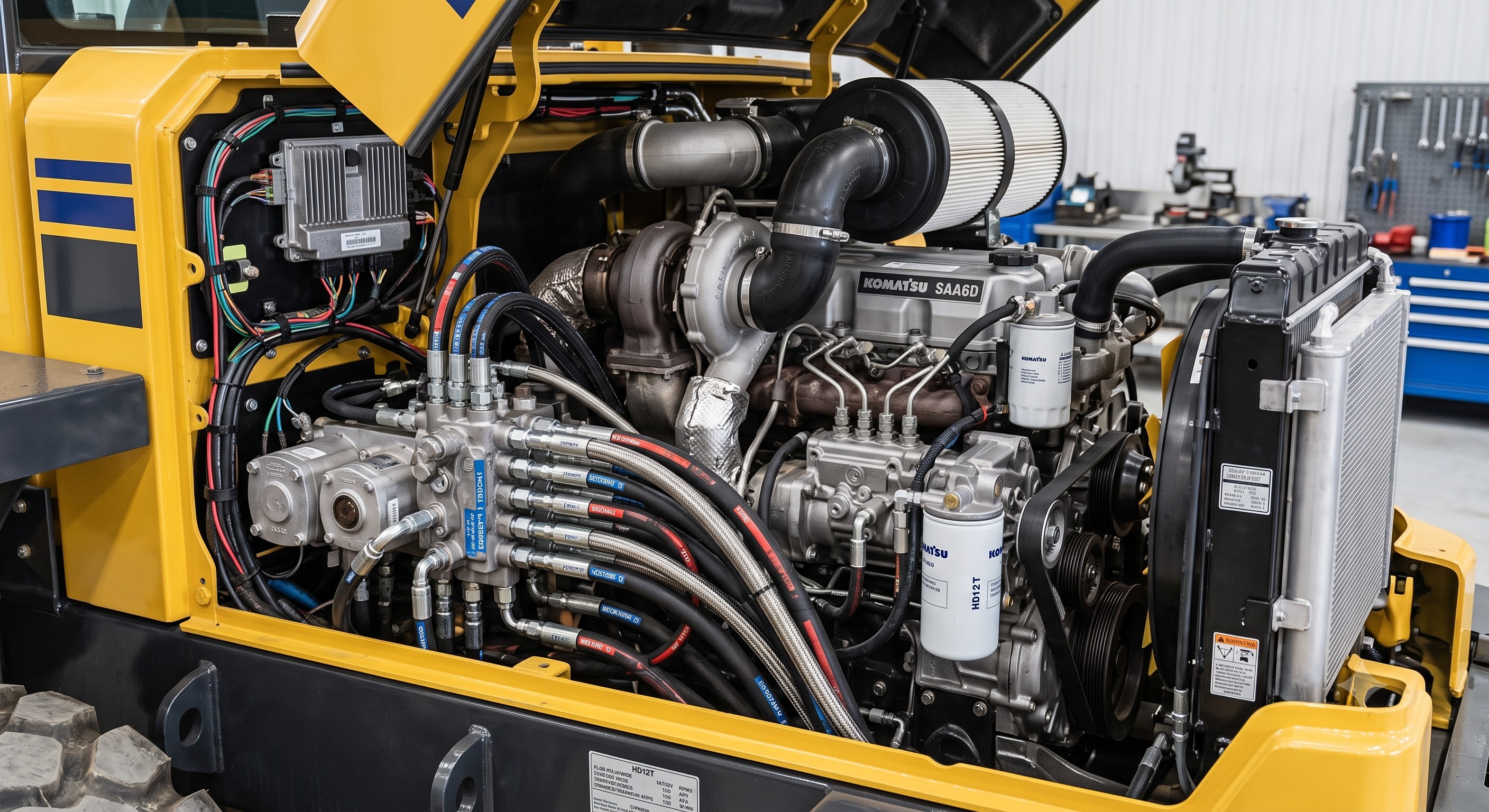
Core Powertrain & Structural Design: The Anatomy of a 12-Ton Heavy Loader
The performance and reliability of a 12-ton heavy loader are rooted in its heavy-duty powertrain and durable structural design. Manufacturers typically utilize high-strength steel for the main frame and articulated joint, which is essential for absorbing the extreme stresses encountered during loading and traversing uneven terrain. The powertrain is typically anchored by a high-horsepower engine from reputable brands like Cummins or Volvo, such as the QSK19 or D7E models, which are known for delivering high torque at low RPMs, ensuring optimal performance while managing fuel consumption . These engines often meet strict emission standards like the EPA Tier 4 Final and EU Stage V, incorporating advanced technologies for cleaner combustion. The hydraulic system is a critical component, utilizing a load-sensing design that provides precise flow and pressure on demand. This system, often rated to working pressures of 18 MPa or higher, powers the loader's Z-bar linkage mechanism, which translates hydraulic force into high breakout and lifting forces, enabling the machine to handle dense materials efficiently . Furthermore, the chassis is reinforced for durability, with robust axles and wet-type brake systems that provide reliable stopping power and extended service life in harsh operating conditions. Advanced sealing mechanisms on the hinge pins and a dust-proof pin sleeve structure are frequently integrated to prevent the ingress of mud and dust, thereby extending lubrication intervals and component longevity .
Technical Specifications: A Comparative Overview
Understanding the key technical specifications is essential for selecting the right 12-ton heavy loader for specific operational requirements. While the rated load is consistently 12,000 kg, other parameters like engine power, bucket capacity, and operating weight can vary significantly based on the manufacturer and the specific model. The following table provides a side-by-side comparison of leading models in this segment, highlighting their primary technical characteristics.
| Parameter | XCMG LW1200KN | CLG8128H | Volvo L120GZ |
|---|---|---|---|
| Rated Load (kg) | 12,000 | 12,000 | 12,000 (approx.) |
| Operating Weight (kg) | 48,000 | 52,100 | 18,050 |
| Engine Power (kW) | 391 | 419 @ 1600 rpm | 180 |
| Bucket Capacity (m³) | 6.5 | 7.0 | 3.5 |
| Bucket Breakout Force (kN) | N/A | 395 | 198.4 |
| Dump Clearance (mm) | 3,728 | 3,910 | N/A |
Heavy-Duty Application Scenarios: From Mining to Earthmoving
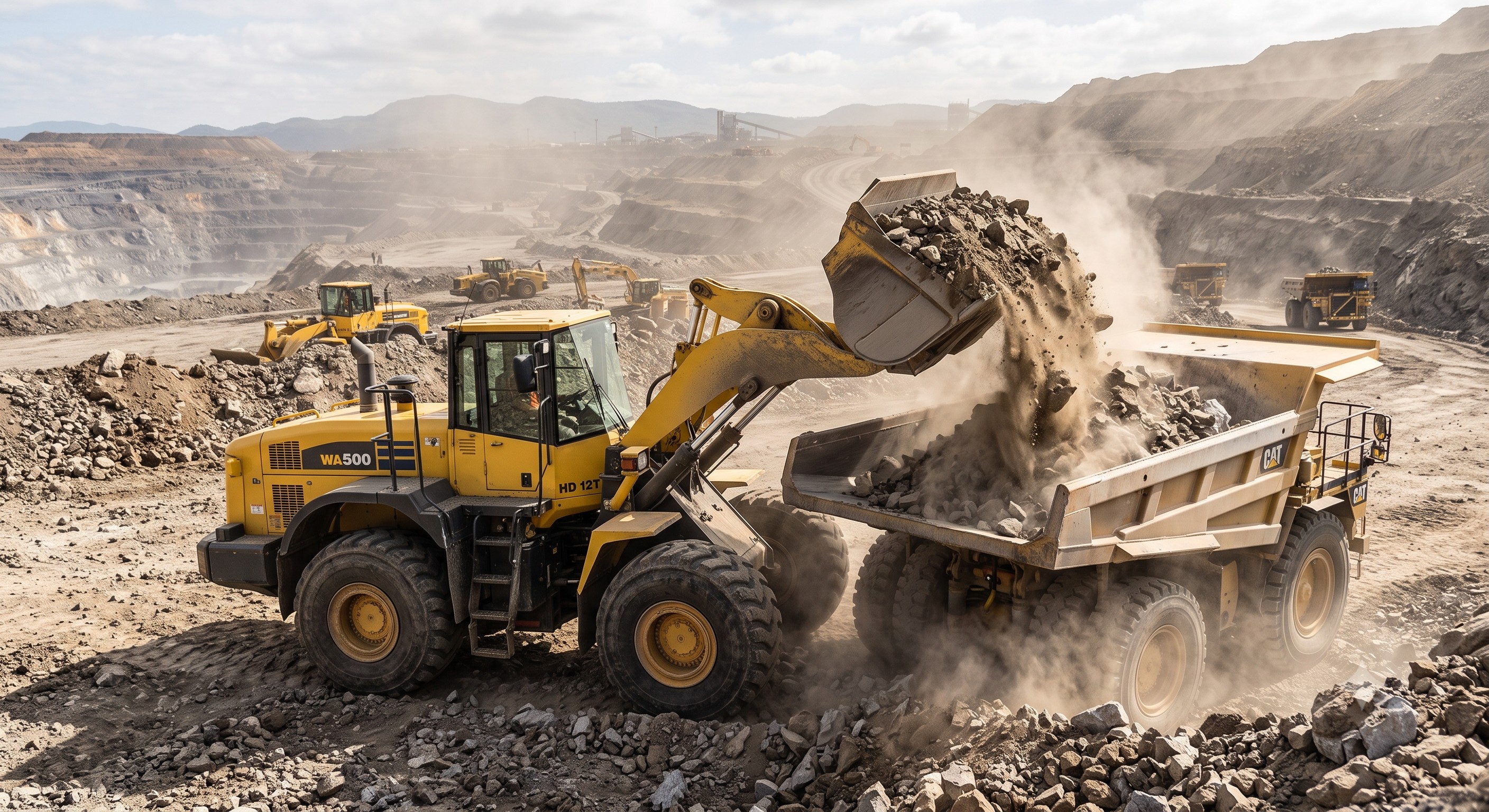
The versatility and power of the 12-ton heavy loader make it an indispensable asset across a range of demanding industrial applications. In large-scale mining operations, these loaders are often deployed for tasks such as feeding primary crushers, stockpiling processed minerals, and loading haul trucks. Their heavy-duty design allows them to operate in extreme climates, from the intense heat of a desert mine to the muddy conditions of a rainy season, where their sealed pin joints and robust filtration systems are crucial . In quarrying and construction, they are used for excavating, loading, and moving vast quantities of sand, gravel, and blasted rock. Their high dump height and reach allow for efficient loading of high-sided dump trucks. Beyond traditional mining and construction, these loaders also play a pivotal role in large-scale port and logistics operations, where they handle bulk materials like coal, grain, and scrap metal, facilitating rapid turnaround times for cargo ships and railcars . The adaptability of the 12-ton heavy loader is further enhanced by the availability of various attachments, such as reinforced rock buckets, high-capacity forks, and grapples, allowing a single machine to perform a variety of tasks effectively.
Comparative Advantage: ROI, Fuel Efficiency, and TCO Analysis
While the initial capital investment for a 12-ton heavy loader is substantial, a comprehensive total cost of ownership (TCO) analysis reveals its long-term financial advantages over smaller machines. The primary driver of ROI is increased productivity, as a single 12-ton machine can often outperform two or three smaller wheel loaders . Modern 12-ton loaders are engineered with fuel-efficient powertrains and load-sensing hydraulic systems, leading to a significant reduction in fuel consumption per ton of material moved . The advanced torque management systems in these engines optimize power delivery to the hydraulic and drivetrain components, minimizing wasted energy. Furthermore, the robust construction of these machines, featuring heavy-duty axles, reinforced frames, and extended service intervals, contributes to lower maintenance and repair costs . Industry data shows that with proper maintenance, these loaders can operate for over 20,000 hours with high reliability, maximizing the return on investment . This combination of high productivity, lower operating costs, and extended service life ensures that the 12-ton heavy loader offers the best possible TCO, making it a strategically sound investment for large-scale operations.
Conclusion: The Future of Industrial Productivity
The 12 ton heavy loader represents the pinnacle of engineering for demanding material handling applications. By integrating high-power, fuel-efficient engines with robust structural designs and advanced hydraulic systems, these machines provide an unmatched combination of productivity, reliability, and cost-effectiveness. The leading models on the market today demonstrate that it is possible to achieve super-heavy load capacity without sacrificing operational efficiency or environmental compliance. As industries continue to push for higher output and lower costs, the role of the 12-ton heavy loader will only become more central to the success of mining, construction, and logistics operations worldwide. Investing in this class of machinery is not merely a procurement decision but a strategic step toward future-proofing operations against the growing demands of the heavy industry landscape.