

Introduction: The Strategic Advantage of Factory Direct Mini Excavators
In the demanding world of construction, landscaping, and infrastructure development, procurement managers and fleet owners continuously face the challenge of balancing operational capability against capital expenditure. The global market has seen a significant shift, with factory direct mini excavator purchases emerging as a robust solution to these perennial industrial pain points . By eliminating intermediary markups and fostering direct relationships with manufacturers, businesses can secure high-performance compact excavators at a fraction of the cost of traditional dealer networks .
However, sourcing directly from a factory, particularly in major manufacturing hubs like Shandong Province in China, requires a sophisticated technical evaluation. This guide provides a comprehensive, data-driven framework for selecting a factory direct mini excavator that meets rigorous performance standards and delivers a superior return on investment.
Core Powertrain & Structural Design
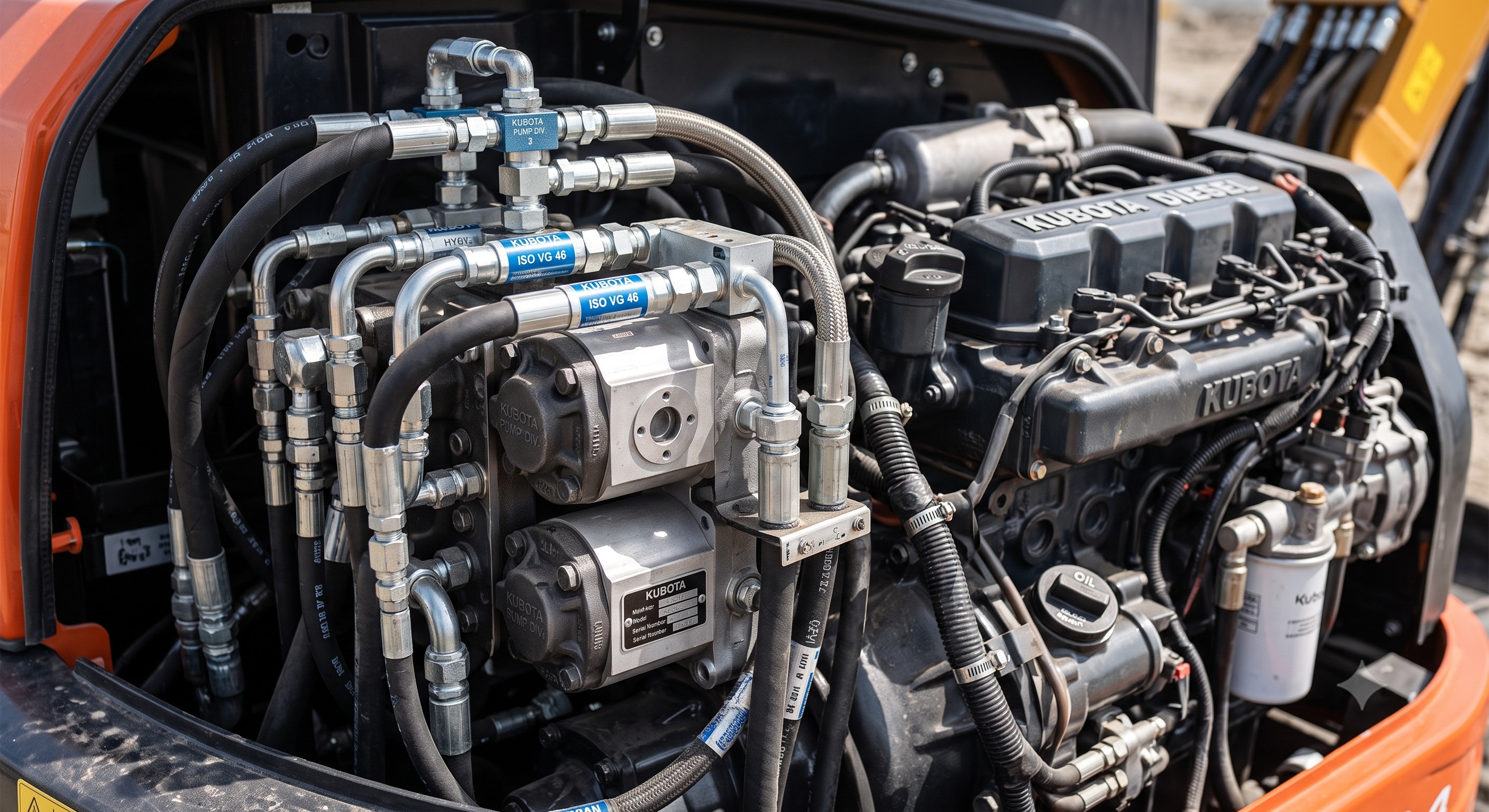
When evaluating factory direct machinery, the initial focus must be on the core components that define the machine's durability, efficiency, and power. A deep dive into the powertrain and structural design reveals the engineering caliber and long-term value of the equipment.
Engine Performance and Emissions Compliance
At the heart of any mini excavator is its engine. For global B2B operations, compliance with international emission standards is non-negotiable. Ensure the factory-direct model meets U.S. EPA Tier 4 Final or EU Stage V regulations . Leading manufacturers often utilize renowned engines from brands like Yanmar or Kubota, known for their reliability and fuel efficiency .
Key metrics to analyze include:
- Gross Power / Net Power: Look for engines in the 20-70 horsepower range depending on the size class. For instance, the Cat 310 delivers a robust 69.5 hp from its Cat C3.3B engine, ensuring high productivity .
- Fuel Consumption: Modern load-sensing hydraulic systems and auto-idle features contribute to up to 10% lower total ownership costs through improved fuel efficiency .
- Cooling and Filtration: A robust cooling system and high-capacity fuel filters are essential for maintaining performance in demanding conditions and extending service intervals .
Hydraulic System Configuration
The hydraulics are the lifeblood of an excavator, dictating its digging force, lifting capacity, and multifunction performance. A load-sensing hydraulic system with a variable displacement piston pump is the industry gold standard, offering precise control and optimal power distribution .
Critical hydraulic specifications to verify include:
- Operating Pressure (Equipment/Travel/Swing): Higher operating pressure (e.g., 4,134 psi for Cat 310's equipment circuit) directly translates to superior break-out force .
- Pump Flow: Measured in gallons per minute (gpm), a higher pump flow ensures faster cycle times and better attachment performance.
- Auxiliary Circuits: For use with specialized attachments (e.g., breakers, augers), ensure the availability of primary and secondary auxiliary circuits with adequate flow and pressure ratings.
Chassis Durability and Undercarriage
The structural integrity of the machine is paramount for longevity in heavy-duty applications. A direct factory purchase should not mean a compromise on build quality. Look for machines with all-steel bodywork, reinforced booms, and heavy-duty kingposts .
Consider these factors for the undercarriage:
- Track Configuration: Steel tracks with rubber pads offer a balance of durability and minimal ground disturbance . Rubber tracks are preferred for working on pavement or finished landscapes.
- Tail Swing Radius: Zero Tail Swing (ZTS) or Minimal Tail Swing (MTS) designs are crucial for working in confined urban spaces, allowing unrestricted rotation without collision risk .
- Undercarriage Maintenance: Features like self-cleaning track designs and extended-life bushings (e.g., greasing every 500 hours instead of daily) reduce downtime and maintenance costs .
Technical Specifications: A Comparative Analysis
A detailed review of technical specifications is the bedrock of a sound procurement decision. The following table provides a comparative analysis of key parameters to consider when selecting your factory direct mini excavator.
| Key Parameter | Technical Specification | Industry Benchmark / Example |
|---|---|---|
| Engine Horsepower | 18.9 kW (25.3 hp) to 69.5 hp (51.8 kW) | JCB 45C: 18.9 kW ; Cat 310: 69.5 hp |
| Operating Weight | 0.8 tons to 6 tons (1,500 kg to 11,443 lbs) | 1.5T Mini Excavator: 1,500 kg ; Cat 305E2 CR: 5,190 kg |
| Max Digging Depth | 1.8m (5.9 ft) to 5.2m (17 ft) | 1.5T Model: 1.8m ; JCB 45C: 3.48m |
| Bucket Breakout Force | Up to 17,459 lbf (77.7 kN) | Cat 310: 17,459 lbf |
| Hydraulic Pump Flow | 39.6 gpm (149.9 L/min) at 2,400 rpm | Cat 305E2 CR: 39.6 gpm |
| Hydraulic Operating Pressure | 4,134 psi (Equipment/Travel) | Cat 310: 4,134 psi |
Comparative Advantage: Total Cost of Ownership and ROI
While the upfront purchase price of a factory direct mini excavator is significantly lower—often 20-40% less than major brand alternatives—the true value is determined by the Total Cost of Ownership (TCO) . A holistic financial analysis should consider the following factors:
- Fuel Efficiency: Advanced engine and hydraulic systems can reduce fuel consumption by 10-20%, yielding substantial savings over the machine's lifetime .
- Maintenance Costs: Evaluate the cost of genuine spare parts and the frequency of routine maintenance. Suppliers like JCB offer components like bushings that last up to 500 hours, significantly reducing lubrication costs .
- Resale Value: Despite the lower initial cost, well-maintained machines from reputable factories retain a strong resale value, especially if they are equipped with compliant engines and top-tier components (e.g., Parker hydraulics) .
- Reliability and Uptime: High reorder rates (e.g., 44% for Shandong Kenstone) are a strong indicator of product reliability and customer satisfaction . Downtime due to machine failure erodes profitability faster than any initial savings.
Heavy-Duty Application Scenarios
The versatility of a factory direct mini excavator makes it invaluable across a spectrum of heavy-duty industries. From the smallest 0.8-ton model to the robust 6-ton class, these machines are engineered for specific operational demands .
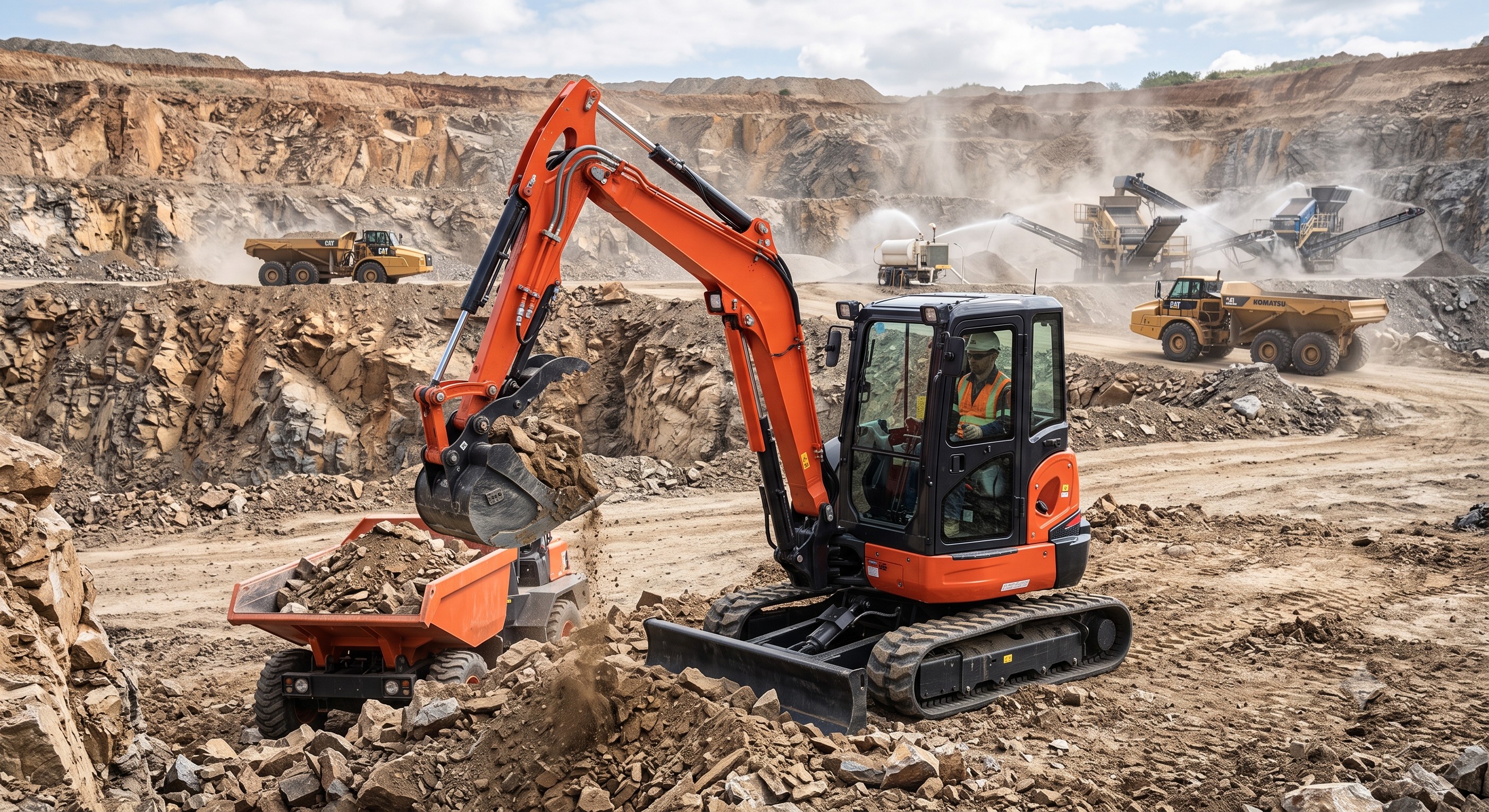
- Construction and Urban Development: In cities, zero-tail swing models are essential for digging foundations, trenching for utilities, and backfilling in narrow alleyways . Attachments like breakers and plate compactors enhance their demolition and compaction capabilities.
- Mining and Quarrying: The 3.5 to 6-ton class mini excavators, with their high breakout force and durable undercarriages, are deployed for ore sampling, site cleanup, and loading material in confined tunnels .
- Earthmoving and Agriculture: With their high digging depth and lift capacity, these machines are crucial for land clearing, pond digging, and terrace construction. The ability to add a quick coupler and a variety of buckets makes them indispensable for farm maintenance .
- Manufacturing and Warehousing: Wheeled mini excavators or those with rubber tracks are ideal for stable surfaces in industrial facilities, handling bulk materials, and maintaining plant grounds without damaging the pavement .
Conclusion: Forward-Looking Summary on Industrial Productivity
The trend toward factory direct mini excavator procurement represents a paradigm shift in industrial equipment sourcing. By leveraging the expertise of leading manufacturers, especially those in established hubs like Shandong, businesses can acquire high-quality machinery that is both cost-effective and technically superior . The key to success lies in a rigorous technical evaluation—prioritizing engine compliance, hydraulic prowess, and structural durability.
As the industry evolves towards greater efficiency and sustainability, options like electric mini excavators are becoming viable for indoor and emissions-sensitive applications, offering lower maintenance costs and reduced noise . The direct factory model empowers B2B buyers to customize their fleet precisely to their operational needs, enhancing productivity, lowering TCO, and ensuring a competitive edge in a demanding global market.