

Introduction: The Indispensable Iron Giant
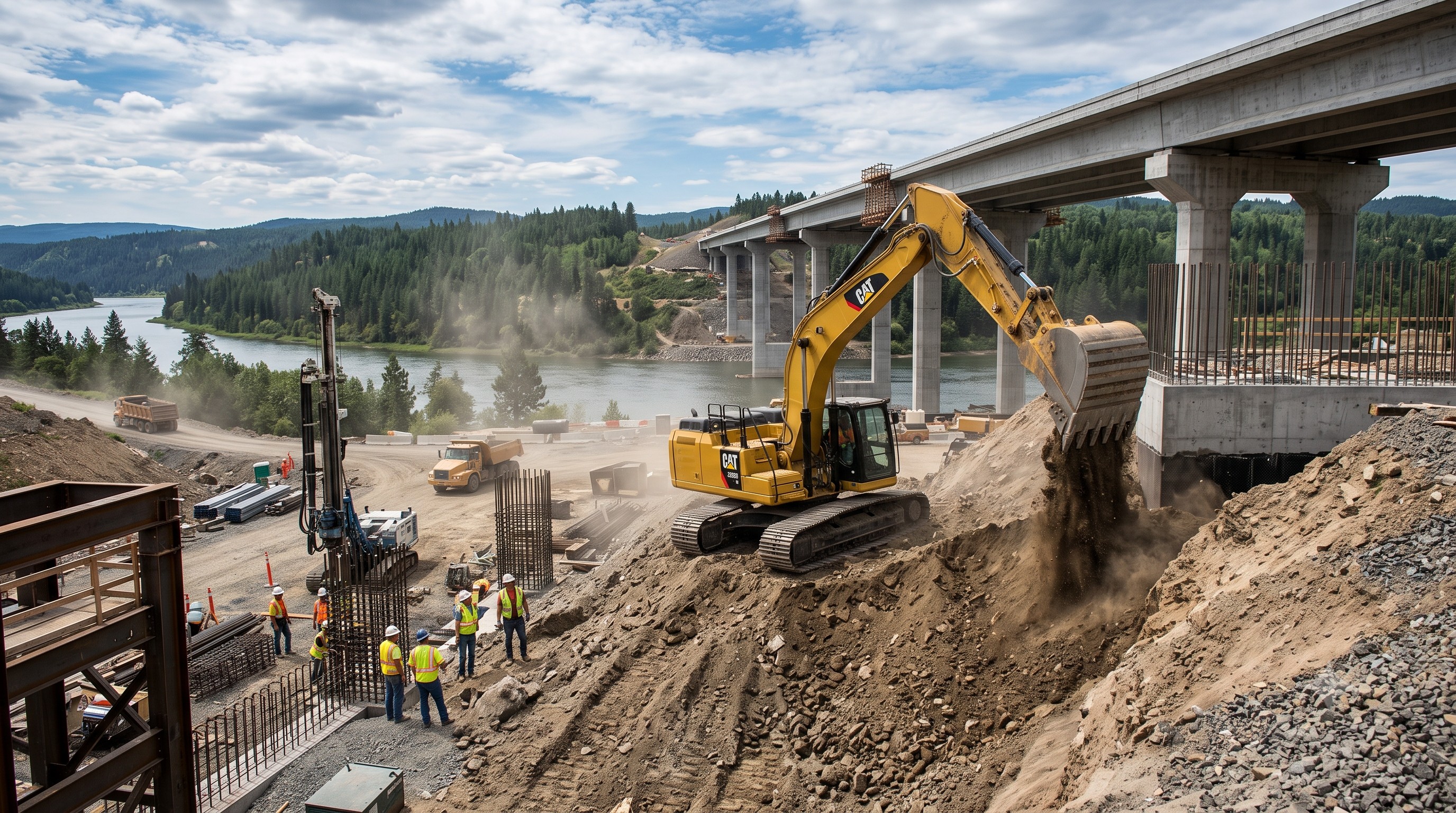
Modern bridge construction is a symphony of heavy lifting, precise engineering, and brute force. From foundation excavation to demolition and material handling, a versatile workhorse is required to handle the immense stresses of the job. A standard backhoe or wheel loader often fails to provide the necessary power, reach, and stability for such demanding tasks. The solution is the deployment of a Heavy Excavator; a machine engineered specifically to handle the rigorous demands of infrastructure projects. Whether it's for low-level demolition of existing structures or the precise excavation of massive bridge abutments, the heavy excavator is the cornerstone of modern bridge building .
Core Powertrain & Structural Design: Engineering for Durability
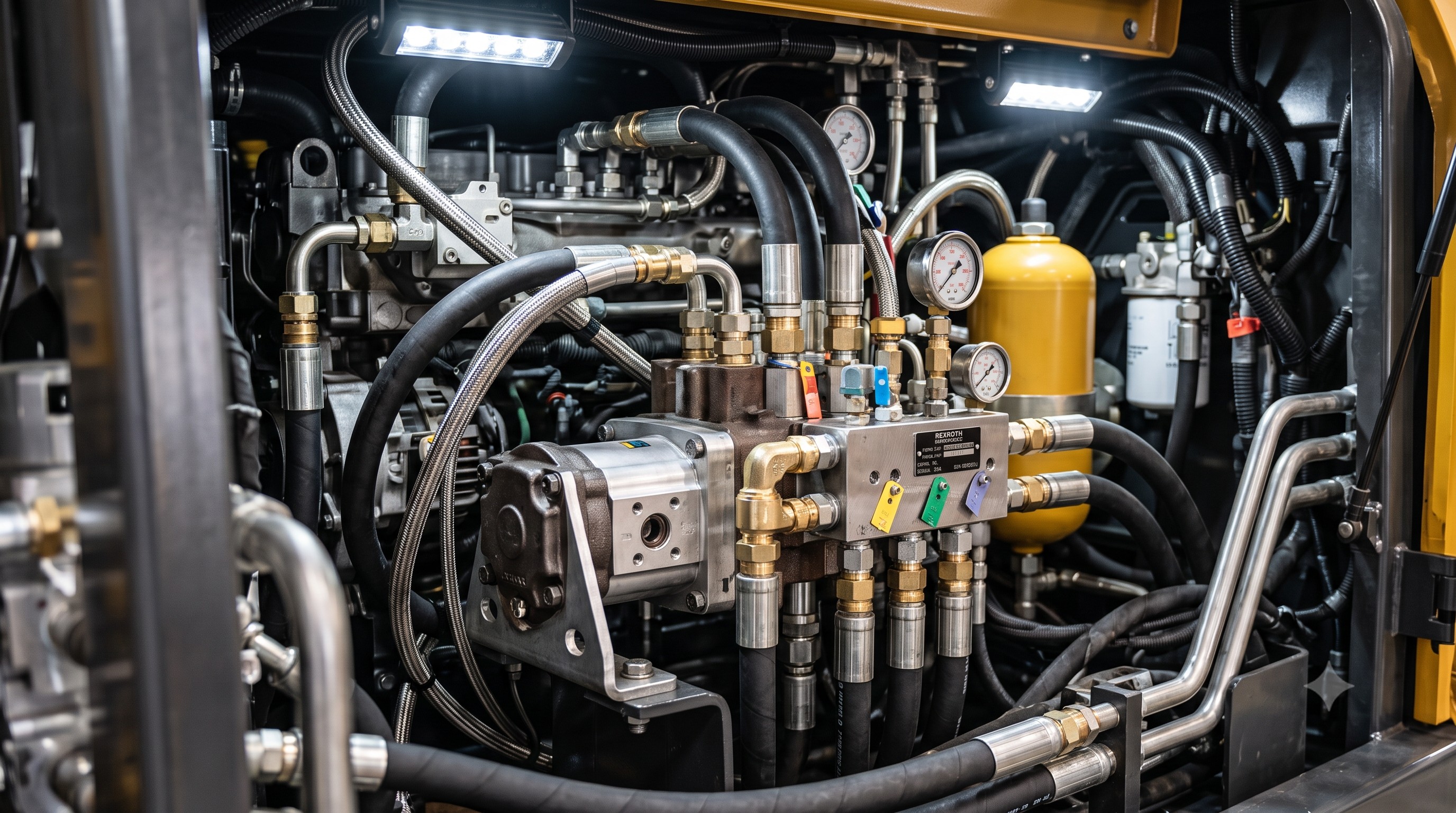
The heart of any heavy excavator is its powertrain, designed to deliver maximum torque and fuel efficiency while meeting stringent emissions standards. For instance, a Cat 324E L utilizes a Cat C7.1 ACERT engine producing 202 hp (151 kW), meeting EPA Tier 4 Interim and EU Stage IIIB standards . Larger models, like the Hyundai HX1000A L, boast up to 620 net hp (420 kW) for high-volume earthmoving . To handle the punishing loads, the hydraulic system is equally robust, often delivering a main system flow of 122 gpm (462 L/min) and maximum pressures up to 5,076 psi (35,000 kPa) . Structural integrity is paramount; reinforced booms, sticks, and frames are standard, with features like Falling Object Guards (FOGS) and ROPS/FOPS certified cabs to protect the operator .
Technical Specifications: A Benchmark for Performance
When selecting equipment for a bridge project, key performance metrics are non-negotiable. The following table illustrates the critical parameters of a typical heavy excavator used in such applications, demonstrating the immense capability required.
| Parameter | Specification |
|---|---|
| Engine Net Power | 202 hp (151 kW) to 620 hp (420 kW) |
| Operating Weight | 26.3 t (57,997 lb) to 100 t+ |
| Main Hydraulic Flow | 462 L/min (122 gpm) |
| Max. Hydraulic Pressure | 35,000 kPa (5,076 psi) |
| Max. Digging Reach | 10.93 m (35'10")+ |
| Compliance | EPA Tier 4, EU Stage V, ROPS/FOPS |
Comparative Advantage: The Unmatched ROI
Why choose a heavy crawler excavator over a wheeled excavator or crane for specific tasks? Total Cost of Ownership (TCO) and Return on Investment (ROI) are key drivers. While Wheel Excavators offer superior mobility on finished surfaces like asphalt, they lack the stability and raw digging force of their tracked counterparts for deep foundation work . Heavy tracked excavators, like the Cat 352 Straight Boom, offer a 36% higher vertical reach for demolition and deep excavation, enabling contractors to complete tasks in fewer passes . Furthermore, modern machines incorporate fuel-saving technologies and automatic power increase features to optimize fuel consumption and reduce cycle times, directly impacting the bottom line .
Heavy-Duty Application Scenarios
Heavy excavators are the multitool of a bridge construction site, providing critical capability across multiple phases of the project:
- Foundation Excavation: Removing massive quantities of earth and rock for pier and abutment footings, often requiring immense drawbar pull (e.g., 51,032 lb (227 kN)) .
- Demolition: Safely dismantling old bridge structures, using specialized attachments like shears and hammers to manage debris from the top-down .
- Material Handling: Lifting and positioning heavy materials such as precast concrete beams, formwork, and rebar cages, often working in conjunction with cranes and girder launchers .
- Site Preparation & Backfilling: Leveling the terrain, moving aggregate for access roads, and backfilling abutments to complete the infrastructure footprint .
Conclusion: Driving Infrastructure Forward
The heavy excavator is more than just a piece of equipment; it is a critical catalyst for bridge construction. Its unique combination of high-horsepower, durable structural design, and precise hydraulic control enables engineering teams to overcome the physical challenges inherent in building and repairing modern infrastructure. By integrating advanced technologies and adhering to strict safety standards, the heavy excavator ensures that construction is not only possible but also efficient and safe, cementing its role as an essential element of industrial productivity for decades to come.