

Introduction: The Logistical Challenge of Mobilizing Heavy Earthmoving Power
In the demanding world of highway engineering, mobilizing heavy earthmoving equipment from one site to another is a critical logistical hurdle. The core question, "Can a Heavy Excavator be transported for highway engineering?", is not just about physical possibility but about economic and regulatory viability. With infrastructure projects often spanning vast distances and requiring powerful machinery, the ability to relocate a 40,000 to 100,000+ lb hydraulic excavator efficiently dictates project timelines and budgets . This blog provides a comprehensive technical analysis of the constraints, solutions, and industry standards governing the highway transport of heavy excavators, offering insights from an engineering and logistics perspective.
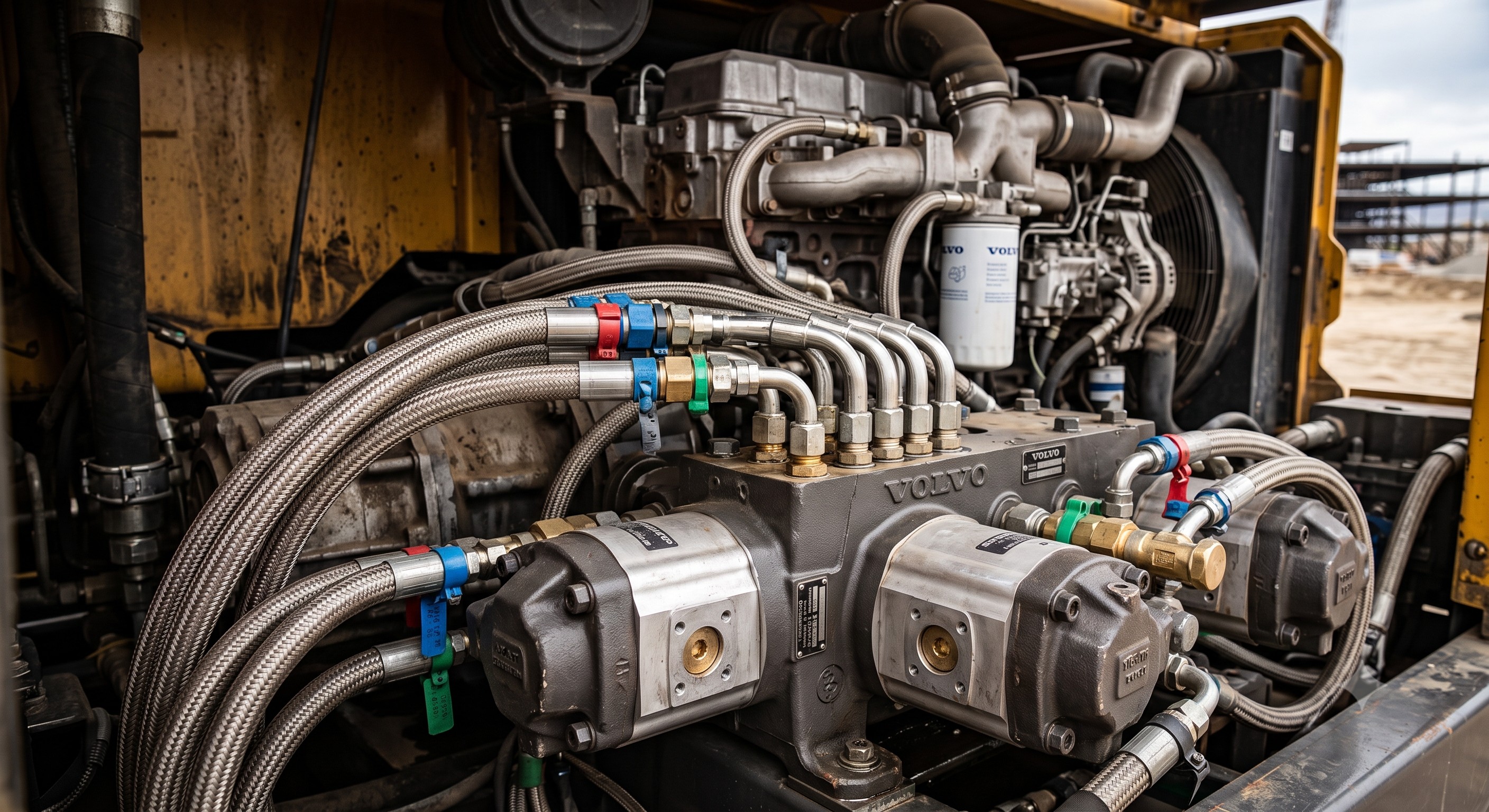
Core Powertrain & Structural Design: Built for Work, Adapted for Transport
The inherent design of a heavy excavator prioritizes on-site performance—hydraulic power, engine torque, and structural integrity—over highway mobility. However, modern engineering has introduced solutions that bridge this gap, making transport more feasible.
Undercarriage and Mobility: The Track vs. Wheel Dilemma
Standard heavy excavators feature tracked undercarriages for superior ground pressure distribution and stability on uneven terrain. This design, while ideal for earthmoving, makes them notoriously slow and unsuitable for long-distance highway travel. Wheeled excavators, conversely, offer a compelling alternative. Machines like JCB's Hydradig or Gradall's XL Series are designed to be road-registered, capable of traveling at speeds up to 60 mph . However, for large tracked excavators in the 400-500 tonne class, relocation typically requires specialized towing systems or lowboy trailers, as tramming significant distances using their own track drives is not feasible .
Hydraulic & Powertrain Specifications for Transport Efficiency
For wheeled excavators, the powertrain must be robust enough to handle highway speeds while maintaining the hydraulic performance required for excavation. For instance, innovations allow wheeled machines to tow trailers, significantly increasing their versatility. Under new regulations, these machines can tow trailers with materials to and from highway construction sites, reducing the need for additional vehicles . This integration of transport capability into the machine's core design enhances productivity and reduces emissions.
Technical Specifications: A Benchmark for Transportable Excavators
Understanding the technical specifications is paramount for planning transport. The following table outlines key parameters for a typical heavy-duty excavator suitable for highway engineering projects, illustrating the scale that transport logistics must accommodate.
| Key Parameter | Technical Specification (Example) |
|---|---|
| Engine Horsepower | Up to 500 hp (373 kW) for Tier 4 Final / EU Stage V compliant engines |
| Operating Weight | 40,000 - 100,000+ lbs (18,000 - 45,000+ kg) |
| Bucket Capacity | 1.0 - 5.0+ cubic yards (0.76 - 3.8+ m³) |
| Maximum Travel Speed (Wheeled) | Up to 60 mph (96 km/h) |
| Transport Width | Typically 8'6" (2.59 m), can require permits up to 11' (3.35 m) |
| Transport Height | Must account for boom/arm, often requires disassembly to meet 13'6" (4.11 m) legal limit |
Comparative Advantage: TCO, Fuel Efficiency, and ROI in Transport Logistics
Analyzing the Total Cost of Ownership (TCO) for moving heavy excavators reveals that transport efficiency is a key driver of project profitability.
Fuel Efficiency and Operational Costs
Transporting a heavy excavator via a dedicated truck can consume significant fuel. For example, with on-highway diesel prices averaging around $3.66-$3.76 per gallon, the cost of a long-haul transport can be substantial . Wheeled excavators that can self-transport to and from job sites eliminate the need for a separate transporter, saving on fuel, equipment rental, and operator costs. This directly improves ROI by reducing mobilisation and demobilisation expenses .
Regulatory Compliance and Permit Costs
Navigating the legal landscape is a major cost factor. Overweight and oversized loads require special permits. For example, Pennsylvania law permits the movement of construction equipment, but restricts width to 11 feet and travel distance to 125 miles from the point of origin for annual permits . More stringent rules apply for heavier loads, with maximum gross weights up to 135,000 pounds requiring pilot cars and specific travel conditions . Non-compliance can lead to severe fines, project delays, and safety hazards, making it crucial to factor permit costs and route planning into the project's logistics budget.
Heavy-Duty Application Scenarios: Highway Engineering in Practice
Heavy excavators are indispensable across various phases of highway engineering, from initial earthworks to final drainage installation.
Earthmoving and Site Preparation
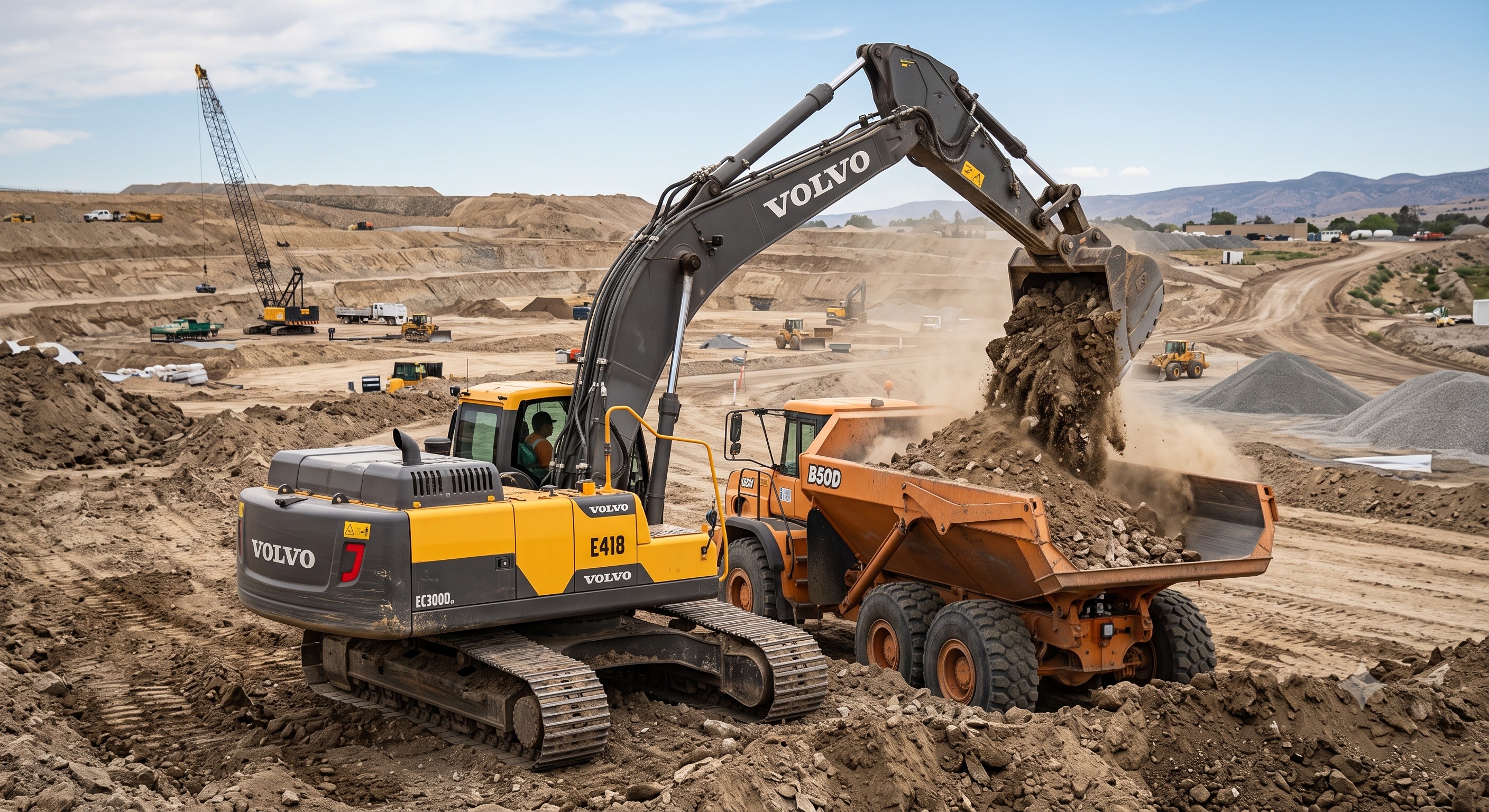
In projects like the Solo - Yogyakarta toll road construction, excavators are fundamental. A single excavator can achieve a productivity rate of approximately 65.94 m³/hour, significantly accelerating the timeline for tasks like soil excavation and backfilling . The ability to transport these machines efficiently between work zones is critical for maintaining this high productivity.
Mining and Large-Scale Bulk Excavation
For highway projects requiring massive cuts and fills, such as those in mining or large-scale earthmoving, tracked excavators in the 400-500 tonne class are essential . Transporting these giants, such as a CAT 374F L weighing 57 tonnes, involves complex planning. A swept path analysis is often required to ensure the transporter and load can navigate narrow roads, bridges, and overhead obstacles like power lines and tree branches .
Conclusion: Enhancing Industrial Productivity Through Strategic Logistics
The ability to transport heavy excavators for highway engineering is a multifaceted challenge that blends mechanical engineering with strict regulatory adherence. While conventional tracked excavators require complex and costly logistics involving permits and specialized transporters, innovations in wheeled excavator design are offering a more agile and cost-effective solution. For project managers and engineers, the choice depends on a careful TCO analysis that considers fuel costs, permit fees, and potential delays. By leveraging machines that offer a balance of on-site power and highway mobility, the construction industry can significantly enhance productivity, reduce its carbon footprint, and meet the ambitious timelines of modern infrastructure development.