

Introduction
In the demanding world of landscaping, construction, and heavy-duty gardening, the efficiency of your operation often hinges on the performance of your equipment. Whether you are a seasoned contractor or a passionate landowner, the manual labor of digging holes for planting, fencing, or foundations is a significant bottleneck. Selecting the right digger is not merely about convenience; it is a critical decision impacting project timelines, Total Cost of Ownership (TCO), and operator safety. This guide provides a comprehensive, data-driven analysis of how to choose the optimal digging solution for your gardening projects, from manual tools to heavy machinery, ensuring you meet the rigorous demands of modern earthmoving while adhering to industry standards like ISO and CE certifications.
Core Powertrain & Structural Design
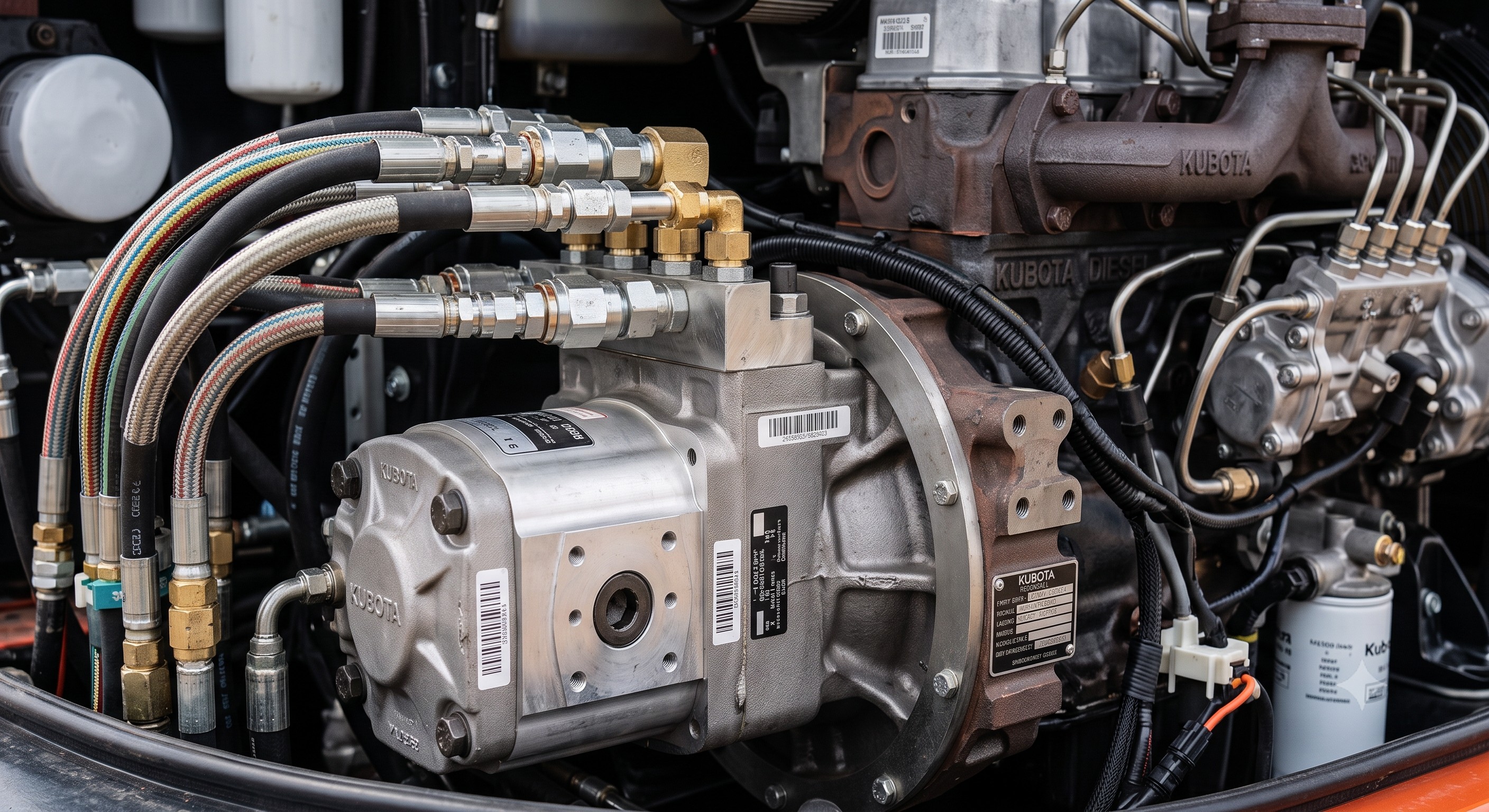
The choice of a digger is fundamentally a decision about its powertrain and structural integrity. For heavy-duty applications, the powertrain is the heart of the machine. For instance, compact excavators are revolutionizing residential and commercial landscaping. Models like the John Deere 30 P-Tier feature a robust 17.4 kW (23 hp) engine and a larger hydraulic pump that drives impressive cycle times and digging power . The hydraulic system is paramount; it dictates the machine's ability to deliver high breakout force and manage attachments. The John Deere 26 P-Tier, for example, offers single or dual auxiliary hydraulic lines, enabling the use of various attachments like augers and compactors, which maximizes versatility on diverse job sites .
Structural durability is non-negotiable in harsh environments. Chassis durability, often measured by operating weight, ensures stability and longevity. The Bobcat E165, with its powerful 56.4 HP engine, exemplifies the high-performance end of the spectrum, designed to handle the most demanding tasks . Furthermore, safety compliance is critical; equipment must adhere to ROPS (Roll-Over Protective Structures) and FOPS (Falling Object Protective Structures) standards to ensure operator safety. Meeting EPA Tier 4 / EU Stage V emissions standards is now a standard requirement for new machinery, ensuring reduced environmental impact and compliance with global regulations . The integration of JDLink™ telematics allows for real-time monitoring of machine health and location, optimizing asset management and reducing downtime .
Technical Specifications
To make an informed decision, understanding the technical parameters is essential. The table below provides a comparative analysis of key specifications for leading equipment models, illustrating the range of capabilities available.
| Model / Tool | Engine Power (kW/hp) | Operating Weight (kg/lbs) | Max Digging Depth (m/ft) | Key Feature |
|---|---|---|---|---|
| John Deere 26 P-Tier | 14.9 kW / 20 hp | 2,622 kg / 5,780 lbs | 2.59 m / 8 ft 6 in | Single or dual auxiliary hydraulics, telematics |
| John Deere 30 P-Tier | 17.4 kW / 23 hp | 3,107 kg / 6,850 lbs | 2.79 m / 9 ft 2 in | Reduced-tail-swing, larger hydraulic pump |
| Bobcat E165 | 42.1 kW / 56.4 HP | 1,656 kg / 3,650 lbs | N/A | High horsepower, excellent hydraulic performance |
| Caterpillar 303.5 CR | 37.3 kW / 50 HP | 3,538 kg / 7,800 lbs | N/A | Impressive lift capacity, advanced controls |
| VEVOR Manual Post Hole Digger | N/A (Manual) | 4.6 kg / 10.14 lbs | 1.46 m / 57.5 in (Handle Length) | 50Mn steel blade, fiberglass handle, scale markings |
| Tazz Earth Auger | Gas Engine (Specs N/A) | Varies | Varies | High torque for hard soil, heavy-duty |
| Ames Post Hole Digger | N/A (Manual) | Lightweight | N/A | Hardwood handle, tempered steel blade |
Beyond these metrics, fuel consumption and hydraulic pressure are vital for operational efficiency. A machine with higher hydraulic pressure delivers superior breakout force, which is critical for penetrating hard or compacted soil. When evaluating options, consider the machine's dig depth and reach. For gardening projects, a compact excavator like the John Deere 26 P-Tier offers a max digging depth of 2.59 m (8ft. 6 in.), ideal for deep-rooted trees or trenching for irrigation .
Comparative Advantage
Investing in the right digger requires a thorough analysis of Total Cost of Ownership (TCO) and Return on Investment (ROI). While manual tools like the Ames Post Hole Digger offer a low initial cost and zero fuel expenses, their labor intensity makes them inefficient for large-scale projects . On the other hand, compact excavators represent a higher upfront investment but deliver exponential gains in productivity. Their fuel efficiency, often cited as a key benefit in models like the Kubota KX040-4, combined with reduced project timelines, significantly improves ROI .
The versatility of powered diggers also enhances their value proposition. With quick-coupler systems, a single machine can transition from digging with a bucket to drilling with an auger or backfilling with a dozer blade, eliminating the need for multiple specialized tools . This versatility is a strategic advantage, allowing contractors to bid on a wider variety of projects and maximize asset utilization. Furthermore, the implementation of hydraulic systems in excavators ensures that they can handle tough soil types, including rocky soil and clay, more efficiently than manual tools, which often struggle or break in such conditions .
Heavy-Duty Application Scenarios
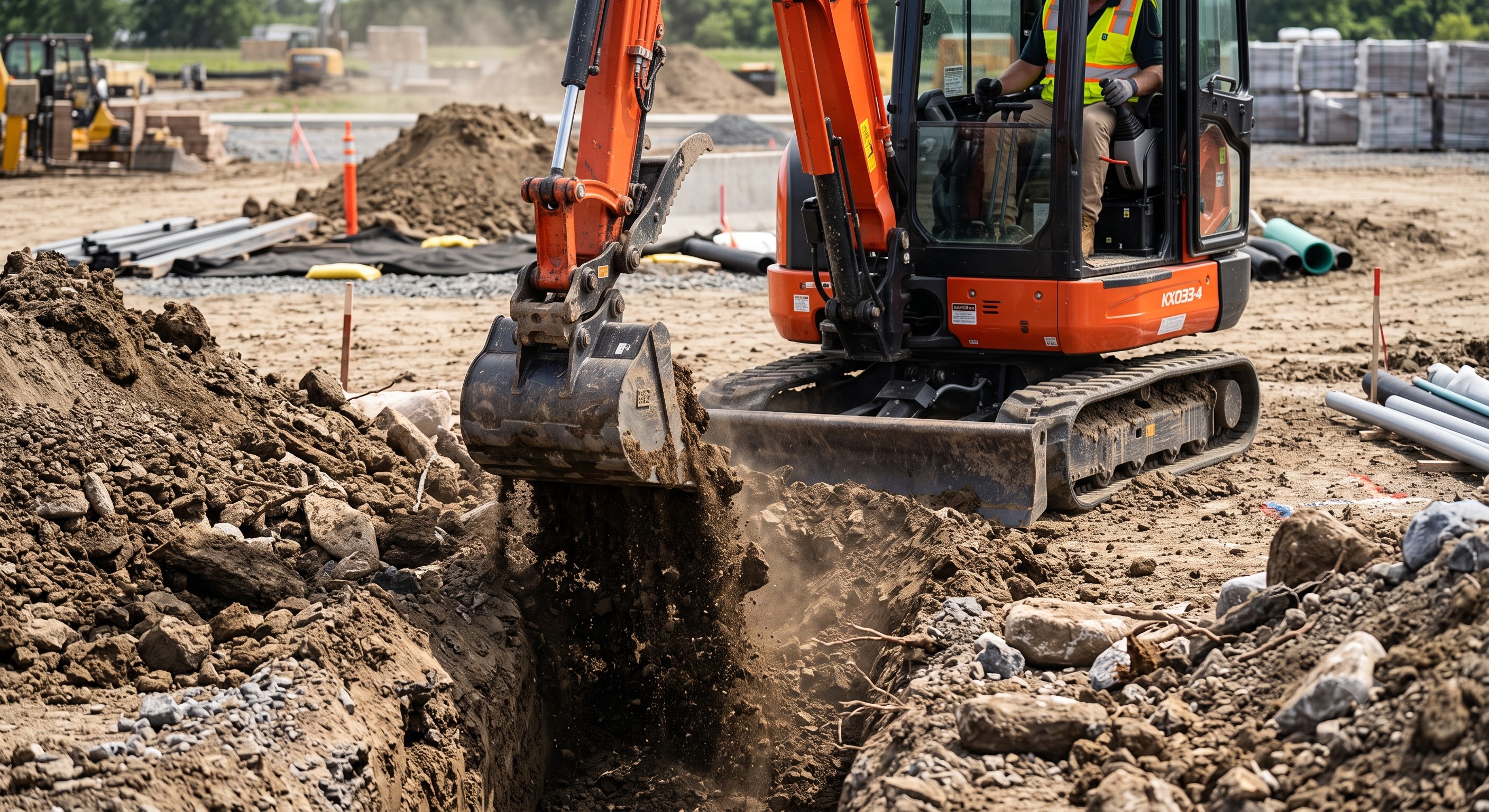
The application scenario ultimately dictates the ideal digger. For large-scale planting of trees or rows of shrubs, a powered auger attached to a compact excavator or a standalone gas-powered earth auger is unmatched in speed and precision . These machines minimize soil compaction and create perfectly sized holes, promoting healthier root growth. In landscaping projects, compact excavators are indispensable for trenching for drainage, creating ponds, and grading surfaces . The ability to use a thumb-ready bracket for lifting and placing heavy materials like boulders further expands their utility .
For smaller-scale gardening, a high-quality manual post hole digger or bulb planter is often sufficient. The VEVOR Heavy-Duty Hole Digger, with its 50Mn carbon steel blade and scale markings, offers a durable, precise, and ergonomic solution for smaller jobs . However, for operations involving mining or earthmoving, compact excavators like the John Deere 30 P-Tier or the Caterpillar 303.5 CR are the gold standard . Their high lift capacity and powerful engines allow them to handle heavy loads and operate continuously in adverse conditions.
Conclusion
Choosing the right digger for your gardening projects is a strategic decision that balances initial investment with long-term productivity and safety. From the precision of manual tools like the hori-hori knife for delicate work to the immense power of compact excavators for earthmoving, the market offers a tailored solution for every need . By analyzing key specifications, such as horsepower, operating weight, and hydraulic pressure, and aligning them with your project's scale and soil conditions, you can ensure efficiency and success. As construction and landscaping demands continue to evolve, investing in equipment that offers durability, compliance with industry standards, and low TCO is paramount. Evaluate your project requirements against the technical data provided to make a decision that enhances your operational capability and drives industrial productivity forward.