

Introduction
In the demanding world of subterranean construction, standard excavators often fall short. The modern tunnel engineering project faces unique challenges: confined spaces, the need for extreme depth, and the constant pressure to maintain safety and efficiency. The robust solution to these industrial pain points is the specialized long reach excavator . These machines are not just standard excavators with longer arms; they are precision-engineered tools designed to provide the extended reach and power necessary for deep excavation, tunnel boring support, and complex earthmoving tasks. For project managers and lead engineers, selecting the right long reach excavator is a critical decision that impacts project timelines, budget, and overall site safety. This guide provides a data-driven, technical analysis of what constitutes the best long reach excavator for tunnel engineering, ensuring your project is equipped for success.
Core Powertrain & Structural Design
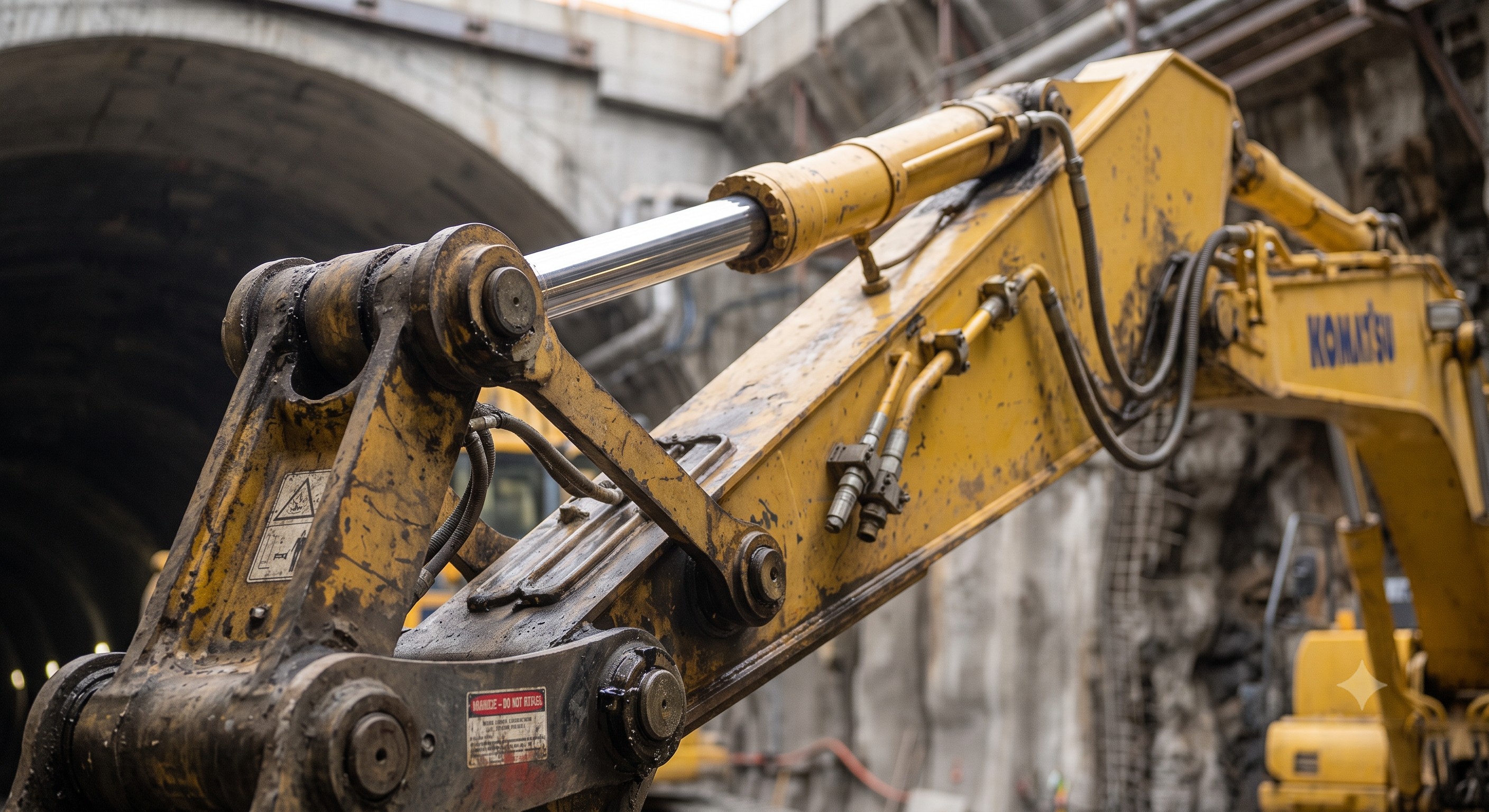
The effectiveness of a long reach excavator in tunnel engineering hinges on its core design. Unlike its standard counterparts, the extended boom and arm of a long reach machine place immense stress on the chassis and hydraulic system. To ensure durability and peak performance, engineers prioritize several key areas.
Engine and Emissions Compliance
The engine is the heart of the machine. For underground applications, compliance with strict emission regulations is non-negotiable. Look for engines that meet EU Stage V or EPA Tier 4 standards to ensure low emissions and operational viability in confined environments . Power output is equally critical. For medium to large-scale tunneling, robust engine horsepower is required. For instance, the Sany SY265C Long Reach offers a 190.4 hp (141.98 kW) Cummins engine, while the Develon DX235RTF-7 features a 189 hp (141 kW) engine tailored for tunneling, ensuring adequate power for tough substrates . For larger projects requiring massive reach, such as the Sany SY545C10LR, a formidable 403 HP (300kW) engine becomes necessary .
Hydraulic System and Performance
The hydraulic system is what translates engine power into actionable work, providing the force for digging and the precision for delicate tasks. The system's operating pressure and flow rate determine breakout forces and cycle times. A high maximum operating pressure, such as the 4975 psi found on the Sany SY265C or the 5076 psi on the Cat 340 Long Reach Excavator, indicates a powerful and robust system . Advanced hydro-mechanical controls and computer-assisted technology enhance precision, allowing for accurate force control and fluid flow management, which is vital when working in tight urban tunnel environments .
Chassis Durability and Operator Safety
Durability is paramount. Tunneling environments are harsh, with falling debris and confined spaces. Machines like the Develon DX235RTF-7 are designed with heavy-duty guard covers, a short swing radius, and reinforced structures to withstand these conditions . Operator safety is also a key consideration in chassis design. Features such as ROPS/FOPS (Rollover Protective Structure / Falling Object Protective Structure) certification, anti-slip steps, and multiple camera views (including 360° all-around view) are standard in modern tunneling excavators to protect operators from falling objects and ensure safe operation in low-visibility conditions .
Technical Specifications
When evaluating which long reach excavator is best for your tunnel engineering project, a direct comparison of technical data is essential. Below is a comparative analysis of key models, demonstrating the range of capabilities available.
| Key Parameter | Sany SY265C Long Reach | Develon DX235RTF-7 | Sany SY545C10LR |
|---|---|---|---|
| Engine Horsepower | 190.4 hp (141.98 kW) | 189 hp (141 kW) at 1900 rpm | 403 HP (300 kW) at 1800 rpm |
| Operating Weight | 69,446 lb (31,500 kg) | 25,689 kg | 54,500 kg |
| Max. Operating Pressure | 4975 psi | Not specified | 34.3 MPa (Implement) |
| Max. Digging Reach | Over 54 ft | 9,260 mm | 22,000 mm (Max. Digging Depth) |
| Engine Model | Cummins | Develon DL06V | Isuzu 6WG1X |
| Emission Standard | Not specified | Not specified | Not specified |
Comparative Advantage: TCO, Fuel Efficiency, and ROI
Choosing the right machine involves more than just upfront cost; it requires a comprehensive analysis of Total Cost of Ownership (TCO), fuel efficiency, and return on investment (ROI).
- Fuel Efficiency: Modern long reach excavators are engineered for efficiency. Advanced hydraulic systems and engine management software optimize fuel consumption without sacrificing power. The Develon DX235RTF-7, for example, is specifically noted for reducing fuel consumption and emissions, which is a major factor in TCO .
- Maintenance and Durability: While long reach excavators are relatively heavy, leading to regular maintenance needs, modern designs focus on prolonging life with features like self-lubricating bearings and easily accessible service points . A robust design minimizes downtime, a critical factor in maintaining ROI on expensive tunnel projects.
- Productivity and ROI: The sheer reach of these machines reduces the need for repositioning, increasing productivity . For instance, the Sany SY265C Long Reach offers over 54 feet of reach, allowing operators to cover vast work areas quickly . In tunnel projects, where efficient muck removal and structural support installation are key, the speed and reach of these machines translate directly to faster project completion and a better ROI.
Heavy-Duty Application Scenarios
The long reach excavator's versatility makes it indispensable across several heavy-duty applications. In tunnel engineering, the technology often parallels innovations in other sectors, such as mining and earthmoving .
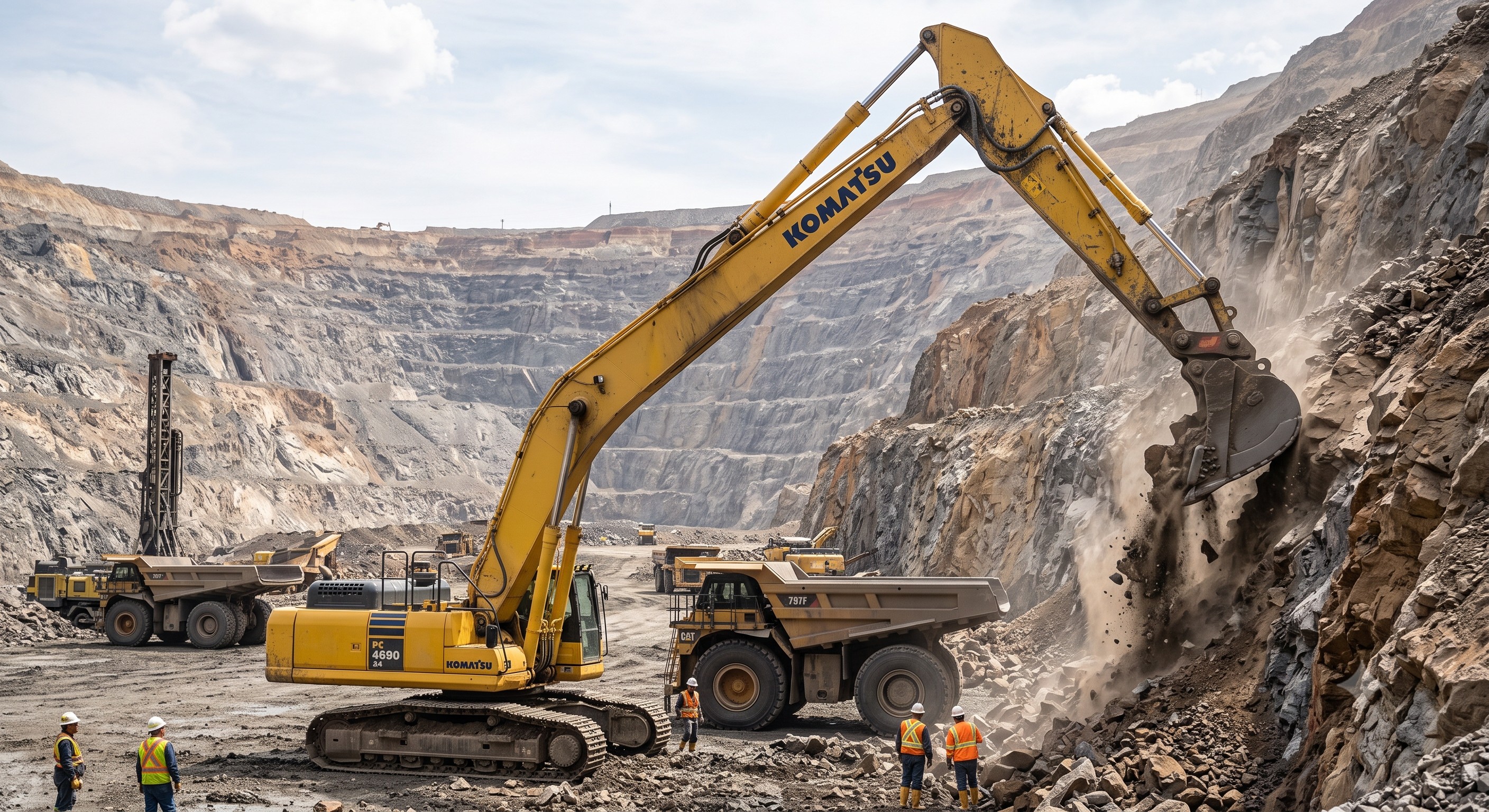
- Deep Excavation and Shaft Sinking: For creating deep trenches, foundations, and ventilation shafts, long reach excavators are essential. Their ability to dig deeper than 15 feet with stability makes them ideal for these tasks . In urban areas where space is at a premium, their extended reach allows them to work effectively from a single position, minimizing disturbance .
- Slope Shaping and Grading: Inside tunnel portals and along access roads, long reach excavators are used to reshape and grade slopes and embankments with precision .
- Material Handling and Debris Cleanup: They can safely clear debris from hard-to-reach areas, a common requirement in tunnel construction and disaster recovery .
- Mining Operations: In mining, these excavators are used to reach deeper into mining pits, often serving as a complement to larger tunnel boring machines (TBMs) .
Conclusion
The selection of the best long reach excavator for tunnel engineering is a decision that should be driven by rigorous analysis of technical specifications, operational demands, and long-term cost implications. There is no one-size-fits-all solution; the ideal machine balances engine power, hydraulic efficiency, structural durability, and safety features to meet the unique challenges of your project. As the industry continues to advance, with innovations in intelligent systems and green technology emerging even in specialized excavators, the focus remains firmly on enhancing productivity and safety . By focusing on the data and principles outlined in this guide, industrial leaders can confidently select a machine that will serve as a robust and reliable workhorse, driving their tunnel engineering projects towards greater efficiency and success.